It looks like I haven’t done anything and this boy everything! Not true, he was just about done to get a truck out of the mud
For the first time during my trip I did not need to show a passport as I crossed from Malawi over to Zambia. It was a backcountry border crossing, but I was prepared for it and got my exit stamp from Malawi 7 days prior in Mzuzu. No big deal and no one really cared. The road down to Chama was a perfect new tar built by a Chinese constructor. Chama is a bigger town than I thought it would be, I was able to get my passport stamped and payed the visa fee in local currency and not in USD (another first). Chama had exactly one ATM and luckily it worked, moreover I was able to stock up on all my food again since there were many stores all around town and even a well equipped food market.
When I entered Zambia the roads were surprisingly good
Sleepy
I took a day off to do all the things that had to be done, and as it rained all day long I was quite happy not to be on the bike. As I was leaving early in the morning I asked some people about the correct direction towards the main road (120km towards the east). Some shook their head, some said it is not possible now to go there because of the rain. Whatever I thought and I went down to the river crossing. There I had my first surprise. Because of all the rain the river increased its water level and people needed assistance to pass. Wherever there is a business opportunity like this in Africa, you will find people who want to take advantage of it. Moments like this I will never forget, I just cycled around a corner, suddenly this big river appears and everyone is just starring at me like: what the hell is this white guy on a bicycle doing here?! Some young males quickly approached me and asked if they should help carrying my stuff over. We agreed on a price, I believe it was around 15 cents per guy, and suddenly it all went quick and before I was in the water, my stuff was already half way through on the other side. There was only one point where the water was as high as my chest, afterwards it was around my waste.
Biggest river I had to cross on my tripwhat is if?
As in almost any river in that area, there are crocs. Some people might think now why did I cross this river if there are crocodiles around? The current was strong and crocodiles don’t like that, so one is actually pretty safe in a strong current, chances are low that a crocodile will attack. As I got to the other side I was quickly surrounded by at least 40 people, asking me all kind of questions: Where are you from, where do you go, for what purpose, are you paid to do this and so on. Usually the questions are always quite the same so I have my basic answers ready to go. From there on I had 40km of perfect tar road, I really don’t know why exactly this stretch, because afterwards the road became one of the worst I have ever seen. As I crossed another river, this time with a bridge, I filled up my water at a locals place, who’s job is to watch over the Chinese construction facilities. As I wanted to leave I realized I had a puncture. No clue where this one came from, but as I was used to fixing punctures already it was a quick job (Still takes me 20-30min). Then my adventure began, the road was narrow, muddy, many small creeks to cross, water everywhere and not surprising if the area becomes more wild, elephant dung all over.
Clear signs of Elephants hahaI guess it takes a while for mushrooms to growWhich side is better? left or right?The only time I was lost for a couple of minutes, somewhere in between Malawi and Zambia
If the dung still smells you know it is fresh, you know they are out there, what a weird feeling. First 10km went ok, I had to check the map a couple of times to not get lost out in the nowhere, but from time to time I met somebody again to ask. After 10 km the dirt path became worse and worse, I passed smaller cars and trucks that have been stuck in the mud for days. Pushing my bicycle through, it took me around 3 hours to do 10km. What a record!
Felt quite nice to get a mud bath I had to put my belt back in placeThis truck was stuck for 2 daysVillage guys tried to get the water out so it will be easier for cars to pass
Then, something unexpected happened. My belt (instead of a chain I have a belt), jumped out of place. The first time this happened I figured out a way to put it back into place. It took me quite a while to get all the mud off to put it back into place. To do that I always need to take off all the bags, turn the bike up side down and start working on it. I guess the belt dislocated because of all the pressure on it. The high pressure is caused by the mud clogging everything up. I checked frequently on the belt tension, so it wasn’t possible that it was too loose. Down the “road” the conditions became even worse and not only my bike was stuck in the mud, I myself was too. There were huge puddles all over the road around every 10 meters. It was like a 50/50 game I played. Either I take the left or right side of the puddle, hoping that I manage to get the less deep one. Sometimes I didn’t get lucky and my bike and all my gear took a big swim. If I happened to take the wrong side, the water got as deep as half a meter. Not only was it hard to get out again, my gear also heavily suffered. I lost one front bag which I had to attach to my bike with strings again. Fighting my way further on it happened again, my whole setup got filled with so much mud that my belt jumped out of place for a second time. This time it was impossible to put it correctly back in again. I tried and tried and tried, it did not work. Suddenly the truck which I passed an hour ago, that was stuck for 2 days already tried to overtake me. The driver stopped and asked me if I want a lift out of the mess. I shortly hesitated, but then realized that the suffering of my gear should stop. I want to finish my trip without having big time troubles with my material. So I jumped on and did 60km to the next town on the truck. Being in such a rural area it is quite interesting to talk to the locals. As it turned out the people on the truck were all cloth-merchants heading to the border of Tanzania to buy new clothes to sell in their region. It took around 3 hours of really bumpy ride to reach Matumbo.
Village workers who used the opportunity of earning some money helping the cars and trucks getting trough the mud.
As the night came there was exactly one guest house in Matumbo, I just asked around before and people told me to head down the road. Getting there two young boys came out of no where asking me if they could clean my bike. Smart business guys, for sure I sad yes, the way my bicycle looked I almost felt bad for them, but I mean, they asked me! The next day started off well, and I had a good ride until noon, when I wanted to fill up all my bottled at a village. Having done only 40km to that point I really wanted to head on. Suddenly, as quite often on this continent, the weather changed quickly. Dark clouds came up and it was purring down within minutes. I sought some shelter at a bar, waiting for it to be over soon. No chance, some of the strongest rainfall I have experienced on this trip so far.
Fumes fumes and fumesyeah pretty much the strongest rain I have had
I started looking for a guest house. Some people mentioned that there are only two. I checked the less fancy one out, why pay more for a bed if all you need is a bed. It turned out that the one I wanted was closed. To get this info I waited, and waited and waited. Even though it is hard to believe, but I was freezing. So I got the 20$ fancy room with a hot shower (didn’t work), and a huge bed. The right place to write my Masters application. As I was quite often in touch with other cyclists, I knew that 4 guys crossed into Zambia from a different border and that they should be around somewhere. Earlier on I asked street vendors if they had seen 4 guys on a bicycle. Those people are there every day, all day long, and they for sure would have seen them. I realized that they didn’t pass me yet, but who knows where they are.
The walk to the church
You want to buy a village chicken?
As I checked into the hotel, I told the receptionist out of joke, if anyone else on a bicycle comes, please let me know when they arrive. I did this quite often, never happened anyway, but I just did it. However, as I was laying in bed and it was becoming dark outside, it would have just been like all the other lonely nights, which I also liked. Nevertheless, suddenly I hear a knock on my door. Damn, being under my blankets just feeling really cozy, I had to get up. There was the surprise, 4 cyclists in front of my door talking to the receptionist. Excitement came up, I finally met some one going the same direction! Hardy, a German, Q, Dan and Byron from America.
With the guys
Having a break Captain Hardy!
Meeting other cyclists can add a lot of value to a trip, exchanging stories, tips and tricks. But for me the most valuable was just to see how other cycle tourists travel, what they carry, how they deal with stuff, and what makes them special. After being on the road alone for 250 days, that is valuable change of curtains. Probably the biggest communality we shared was, that we all carried at least 1 kg of peanut butter with us. The peanut butter love was real! So we continued for almost 14 days together down to Livingstone.
Peanut butter is life
My journey was full of coincidences, I met this Japanese couple 4 times on my trip!I did a lot of wild camping in Zambia, wonderful nature and super relaxedShort trip to the DRC
Traveling with someone else was a totally new experience for me on the bicycle. Waiting for someone in the morning to have his coffee, breakfast, smoothie, you name it, was not only a challenge for my patience, but also something I had to learn. Step of your routine, just go with the flow and enjoy. Especially, days 2 to 5 were particularly a challenge. I had to adapt, learn a lot and strengthen my patience. It was 100% worth it. We took a huge amount of breaks, went swimming in rivers, tried to do 100 push ups every day, everywhere and just played ridiculous games. Sharing those special memories, becoming friends for life within a short period of time, struggling through the same circumstances was just something that I really appreciated. Especially the three Americans changed my view quite a lot. Q for example carried a tube of sand from every desert and beach he has been too. They all carried guitars. Dan used a wood stove to heat his meals (not very successful most of the time but he tried at least). Byron loved to leave peanut butter in his beard to eat it later on. Those are just a few things that I much loved about this kind of company. Without even being in touch with each other, since we all enjoyed some time off the Internet, we got to meet, Another lesson in life. You can plan as much as you want, but some things are just meant to happened out of nowhere.
going towards the capital of ZambiaSleeping in a schooltypical marketYes, I can do it
Zambia was an amazing country to travel through, even though the landscape was quite boring some time, with my good company and the amazing local community it was def. a great time. Food wise nothing changed, a lot of Nshima (Ugali in TZ, that white maize food you can find all over Africa). In Zambia I reached another mile stone, the Victoria Falls. From the Victoria Falls on the 5 of us split up again. I headed towards Zimbabwe first, and the others towards Botswana directly. I am sorry for this late post, I hope I can finish up the last ones in the next few weeks!
My camping spot with a perfect view down to lake Malawi
Even from far away still on the Tanzanian side I was able to see the beginning of Lake Malawi. As people told me before, Malawi is the warm/happy heart of Africa and there are some beautiful National parks and lake side camps to visit. I was pretty excited. The border crossing was simple, but expensive, I had to pay 75$ for the visa which is a lot for such a small country. Fortunately, I did not get my bags checked like some backpackers before me. Sometimes border security wants to check my bags and this takes forever, very annoying! Usually, before I cross borders I check the exchange rate for my leftover money. What I know as a fact is that you never get the online exchange rate. So, I just approached one of the guys, told him how much I have and what I wanted. Without hesitation he agreed. That is never a good sign haha! As I did not have much left it was fine, a loss of few cents is ok, even though I really dislike their pushy behavior and I never want to let them walk away with a profit 😀
Riding along the lake was a fantastic experience. The road is new and in super condition. There are barely any cars and I had a slight tailwind! Wuhu! I heard people struggled with a lot of headwinds, which is probably the worst thing you can have on a bicycle.
Traffic in Malawi is the lowest I have experienced to far. I loved it.
Fishing village
I enjoyed some swims in the lake and also went on a fishing boat with two locals. It was interesting to learn the techniques they use as well as to see the very colorful fish we caught. From the Lake I went up to a first plateau where Livingstonia lays. I stayed at mushroom farm and had one of the best camping spots so far. The hostel was well run, with good food, guided activities and hikes. I continued further on dirt roads towards Mzuzu, as the distance was too much to do in one day I had to find a spot somewhere. As people in Malawi were super friendly, and the population density is pretty high, there are not many options left than pitching the tent in front of a family’s house. Everyone is always very welcoming, offering me water to wash, food and even a space to sleep inside, which I kindly decline since I sleep way better in my tent:-) I loved cycling off the beaten track in Malawi, people were so much nicer than along the main road. As once a big storm came up I sought shelter underneath a roof. I sat 5 minutes there surrounded by kids as one of them walk out of the house with a plate of food, some shima, vegetables and bananas, exactly what I needed! Just this kindness towards strangers made me feel exceptionally comfortable. In Mzuzu I had the chance to get into the first real shopping market since Kenya! So nice to find stuff you haven’t had for a long time! The only downside to those shopping centers is that I always buy way too much stuff that I don’t actually need, but it is just nice to have it.
The road up to LivingstoniaSteep but with a beautiful view
One of the nicer dirt roads I had, stunning views again
Staying at a families place
I had many thoughts about my route in Malawi: Should I continue down the lake or go up again and visit two National parks? As I went down to Nkhata bay I realized that I have spent enough time in backpacker’s/tourism places and even though it won’t be easy, it would def. be more memorable than following the main road down. Most cyclist are cycling all along the lake down to Lilongwe, the capital of Malawi.
The D-Tour I did, def. worth it
I relaxed 6 days in Nkhata bay, did a lot of reading, swimming and it just felt good not doing anything at all. The lake was wonderful, but as it is rain season, a lot of dirt gets washed into it. I had 3 small open wounds which all got infected. First time for me this happened and I thought it is better to see a doctor:) He cleaned my wounds, gave me some antibiotic pills , a cream and I paid a total of 6$, totally worth it Since I decided to go up to Nyika and Vwaza Marsh National park, I had to go almost the same way back for 200km. I first thought it would be boring… but since I mostly face forward it felt like I haven’t seen this part before.
My first doctor visit! hopefully also the last one hahaWhenever I get a bit of sun I try to dry my tent. Not always easy with the constant rainsLovely women along the road, I usually stop and have a quick chat with them while eating a little snack
Nyika National Park
As I heard from overlanders before, the road up to the plateau is in a very bad condition and some couldn’t even drive up because of flooding rivers and huge put wholes. Anyway, I thought I have time and I heard so many good things about this NP that I thought I cannot miss anything if I just try hard enough. The way to the gate was ok, some passages where I had to push, some where the road was extremely bad that I just jumped off the bike and walked the stretch. I slept at the entrance gate of the national park the first night, so I had all day the day after to get from the gate to the camp. Initially, I thought it is only 30km towards the park, but as I talked to a ranger he told me it was 60km. Oh well, I thought, I will not return now. The next morning started with rain, and it didn’t stop until high up above 2000 meter of altitude. I haven’t experienced that much fog yet on my trip but it was for sure a bit scary to see all the Elephant dung laying around but not being able to see more than 5 meters. It was raining buckets for at least 4 hours. Sometimes I really asked myself, Lukas, what are you doing here. My bicycle was super heavy since I had food for 6 days with me and water for 2 days. Pushing all that weight up from 1100 Meter to 2350 Meters was quite a challenge. It took me 8 hours to get the 60km done. However, I really don’t mind about those challenges anymore. I realized those are the days I will mostly remember; all the tarmac cycling days are not very memorable most of the times.
As I stayed at the Chelinda Campsite I was provided with firewood and hot water every evening. I felt so much at peace up there. I was able to read a lot, do some maintenance on my bike, cycle around and just watch the wildlife for hours. As it is quite a nobel campsite, you are kind of lost if you don’t bring all your own stuff. Food and lodge rooms are very expensive, camping is only 10$ and if you cook for yourself it can be quite cheap all in all. I am glad I have some big bags with me which I can fill up with food. If I would not do bike packing I would have no chance to go to remote places like that and stay self-sufficient. There were absolutely no tourists up there which is pretty common right now everywhere I go since it is rain season. I loved it and it was definitely worth all the effort!
Heavy rain coming
The road up to the Nyika plateau… Couldn’t see very far!
Zebras!
Vwaza Marsh National Park
The beautiful thing about Vwaza is that during dry season all the animals from the whole park gather around the lake. During rain season however, you need to be very lucky to even see an elephant. I did not have any expectations going there, I wanted to cross over to Zambia from there anyway so why not sleep a night at Vwaza. I was very lucky and saw an elephant herd close by, what a great day it was. During the night was a bit at unease, I usually have no problems with wild animals around my tent at night, but that night I was a bit afraid from the hippos around. You never know what they might do. Even though the area and its surroundings are breathtaking, the campsite was very run down and filthy. I am always glad to have my tent with me, it is clean inside and no bugs will bite me at night.
From Vwaza I rode all the way to the border on dirt roads, roads I sometimes didn’t even find on Maps.me. People were welcoming, and I stopped a couple of times for a chat. Since I had a lot of time on that day I decided to head over to Zambia directly. It turned out to be more of a challenge than I thought. For the first time on this trip I got completely lost in a forest. I tried to get to the great border road which goes along the Zambian Malawian border, however it took me over an hour fighting through thick bushes to find it. I always continued and thought yeah this road will somehow get me there, it turned out that most of them brought me even further away. It was totally an adventure, I didn’t feel lost, since I thought I can always pitch my tent and go back the same way on the next time, but I was really glad as soon as I got back on track again.
I got really lucky and saw some Elephants at Vwaza Marsh
Elephant leftovers…A Hippo below a tree
Agriculture
As anywhere where agricultural income is a big part of the economy, cash crops play a major role. For the first time on this trip I have seen Tobacco being planted. Depending on the region, I either see tea, corn, chilies, tomatoes, bananas and beans quite often, but tobacco was the first for me. As I talked to local families and farmers, they explained that they harvest the tobacco leaves once per year, it goes first to Mzuzu and from there to the capital Lilongwe, from where it is shipped to America. A farmer told me that prices fluctuate, as everywhere it is all about demand and supply, however, he also said that it is currently pretty stable.
Alcohol
I had the pleasure to be riding in Malawi on three Sundays, and every time the same thing repeated itself. It seems like the whole country is drunk on that day. Every man at the side of the road has shiny eyes, shouts something no one understands and usually cannot walk straight anymore. If you enter small stores, they usually have half of the shelf filled with stuff like biscuits, bred, washing powder, and the whole other part is filled with small alcohol bottles. One bottle contains around 200ml and costs 40 cents and has an alcohol percentage of 45%. No wonder why so many people have an alcohol problem.
Crash
It was raining the whole day on my way down from Nyika National Park, the roads where a mess and some people told me not to take the shortcut. As I did the shortcut before the other way and I didn’t want to do 10 extra kilometers, I took the shortcut again. Unfortunately, as it was already raining for hours straight, the red clay ground became really slippery and dangerous with the heavy bike. I sometimes got off and walked down, sometimes I just risked it to ride down. Unfortunately, it got me really bad at one spot and my bike just didn’t stop slipping down and I really fell hard to the ground. Luckily, only a couple of scratches, just the thought of what is if something had happened in such a remote area was a bit scary. This was the first time I fell off my bike, and hopefully also the last time.
I finally arrived in Tanzania, the country I will spend the most days of my trip. This has a few reasons. Firstly, if you look on a world map Tanzania is huge! Secondly, I did a longer route up to Arusha where I was fairly close to the Kenyan border again. Thirdly, I spent two weeks on Zanzibar with my family. As time flies, those 50 days passed by quickly. Heading out of Rwanda I hoped that the hills would stop immediately. It took around 150km until the landscape finally turned flat again. My plan was to cycle from Kigali without a day of break directly to Arusha where I will be hosted by a friend of a friend. 12 days, 1200km, this is not how I usually travel but there was no reason for me to just spend a day somewhere in the nowhere to relax. My days were long but not too long, I enjoyed it and it was nice to see how my body just plays according to my plans. More details below:
Border crossing:
The east Africa visa I got in Moyale (Kenya) is only valid for Kenya Uganda and Rwanda, so I had to get a new Visa at the Tanzanian border in Risumu. It was a one stop border again, I first had to show my yellow fever vaccination card and they took my temperature to check for Ebola. As everything was fine, I could go into the immigration office. First, I had to stamp out of Rwanda, then step over to the next window to fill out the application form for the Tanzanian visa. It took around one hour all in all and I had to pay 50$ for a three months single entry visa for Tanzania. As I informed myself before, the ATM at the border is the last one for some days to come, so I had to make sure I got enough money with me. ATM’s in Tanzania usually only let you withdraw 400’000 Tanzanian Schillings (<200$) at once with a transaction fee of 4$ in addition to the fees you pay to your own bank (rip off). As I walked out of the office, I met two Japanese travellers again whom I first met in Khartoum, what a surprise! Crossing a border with a bicycle is super easy, no customs procedures, I just need to get the stamp and off I go. Those days are always exciting, a new country, new people, new cultures and traditions. It usually takes around 200km to show significant changes, as the border areas are quite similar (exception; Sudan –Ethiopia –Kenya, 100% different right away).
Rain season
Seriously, I am never quite sure about the rain season, some say it is just starting, some say it is over already, who knows… I just know it has been raining a hell lot more in the last month, than in the first 6 months of my adventure. I started to wonder and googled: rain season Africa. There are different rain seasons per region but the one I am in now until Botswana has its rain season until March. This means: A lot more of rainy days to come.
In terms of clothing it depends how high up I am, if it becomes significantly colder when it starts to rain, I wear a rain jacket to cycle, if it stays fairly warm, I really don’t mind and just cycle through without any changes. What I can say is if it rains in these areas here, it is not just a few drops. Small rivers across the street and huge amounts of water that come down per square meter, sometimes the rain lasts for hours. As I wrote in an earlier blog, time is measured and handled differently on this continent. So as soon as it starts to rain workers usually stop their work. People just wait below a roof and watch the rain. When they see me cycling, they usually laugh and can’t understand why I am doing this. I really started to enjoy cycling in the rain, unfortunately there is no pictures of me in the rain, my electronics are not really built to get wet. Probably the biggest downside of the heavy rain is camping. I love camping and I have absolutely no problem with it, but when everything is wet in the morning and it does not dry all day long and in the evening, you want to camp again and it is still wet, that is just annoying. There is at least one guest house in every small town, and the prices range from 2$ up to 10$.
My rain break at an HIV/AIDS hospital
During a heavy storm I sought shelter under a roof, apparently it was a medical center for HIV patients. Really young men and women came there to seek help. On the wall was a list which states how much medical supply they received with the last delivery. Around 5% of the supply ordered was actually delivered. Having a little boy laying next to me, shaking, barely noticing anything around him was shocking. This inequality that persists on our planet, where people still do not get the appropriate medical help they need is devastating. It is also saddening to see how many people are infected with HIV on this continent. The further south I go the worse it gets. Eswatini and Lesotho have the highest rates at 25%, followed by Botswana South Africa and Namibia at around 20%. Think about those numbers, every 4th person is infected and alone is South Africa there are more than 100,000 people dying every year from HIV/AIDS. SOURCE
People along the road
Except Ethiopia, all other countries I have travelled to, the people along the road have been really supportive. Even though I barely speak any local language there is always some kind of communication going on, especially through laughing, waving and nodding. Tanzania has brought friendliness to a new level. I had rough days on which I arrived in towns shortly before the sunset, totally worn out and exhausted. What’s nicer than people cheering you up once you enter a town, clapping their hands, applauding? This just makes you feel so welcomed and appreciated. 9/10 towns I stay for the night there is no tourist around by far and the only people who sleep in those towns are probably the few cyclists, because they have to. This is the wonderful part about traveling on a bicycle, you are traveling local and away from the huge tourist streams.
The kids along the road are my biggest fans and supporters. Everywhere I go the little ones treat me like a rock star, shouting from far away, waving and just being super cute. It is really hard to put in words how those kids make me feel day in day out, they spread so much happiness, joy and yes, they are very curious!! From a young age on each of them already carries responsibilities (getting water and especially watching over the goats and cows) and it feels like they are mentally ahead of their age. Their toys are simple, and handmade (like a car on a stick, spinners or just and an old tire).
Thumbs up to 10,000 km!Having a laughter with the Maasai
National sport
First day in Tanzania
SantaClaus MaasaiToo lazy to walk, so why not ride a sheep 😀
A guy selling fish
Food
I believe my diet has improved in Tanzania, as I don’t find as many Chapati anymore I had to find something else, which wasn’t really hard. Absolutely every little town has a lady with a small restaurant that offers at least rice and beans and some green vegetables. This is what I basically eat for every lunch and dinner. For one meal I pay between 50 to 75 cents, this varies from town to town. Now you probably ask yourself: do you never get tired of the same food? Luckily, I don’t get tired at all from eating the same thing over and over again, I just don’t like to be hungry, what I eat doesn’t really matter. There are also french-fries or what they call chips-maya, which is french-fries cooked like an omelette with eggs, available everywhere. It may sound weird, but I love it! I still consume peanut butter on a daily basis, but the taste has changed. I liked the stuff I got in Kenya and Uganda way more and once I entered Tanzania I thought that it will still be good so I bought a 1kg jar. Big mistake, what do you do with 1kg of peanut butter if it tastes disgusting? The struggle to finish it was real! What is also annoying here is the bred. I for sure miss the good old swiss bread, however I really don’t mind the white, toast bred they have here. However, all the bred is wrapped in plastic. Being exposed to the sun a lot I need to finish a bred as soon as I bought it, otherwise it will have mould on it within half a day. Bred mould is the worst for the stomach so I have to be really careful.
Comparison to the other East African countries
As Tanzania is my last East African country, I thought about the biggest difference I have encountered so far between Kenya, Uganda, Rwanda and Tanzania. Food is always slightly different; however, the basics are the same, people are in general very happy, welcoming and kind. What struck me most is the difference with regard to the level of English. This is an observation, not a critique, since I should be the one speaking the local language. However, in my opinion the people in Uganda, Rwanda and Kenya have a very high level of English knowledge. Even in remote towns I was able to have nice conversations with the locals. As soon as I crossed the border to Tanzania, even basic words like bread, water, rice, beans and the prices, were a struggle. It happened a few times that I wanted bread and the guy gave me a Sprite. I must work on my pronunciation I believe. Another difference is that Tanzanian people are very cheeky. They always try! What do I mean by that? Wherever you go to buy something, they will try to charge you more, every time! If you don’t know the local price, you always end up paying way too much! With that comes a certain problem, unlike in the other three countries were prices were always the same (Chapatti, Water, Rize, Soda, Bananas), you never know in Tanzania. This makes it hard for a Muzungu (White Person) not to get ripped off. Chapatti prices for example range from 200 to 1000. Imagine myself going to a store and the lady asks 1000 for a chapatti whereas yesterday at a different store I only paid 200. Apparently different factors play a role, the quality of flour that is used, the size and thickness of the chapatti as well. Additionally, I always need to be fully aware of the change I get from a purchase, seriously Tanzanian’s have tried so many times to give me less than I was supposed to get. I always need to count and then ask for more. They act like the didn’t know, yeah if this happens once, I believe it, but if it happens every day a few times everywhere I go, I grow suspicious.
Arusha
As Pommi from Kenya who invited me to her place in November put me in touch with her friend Francin, who at the dinner table suggested to me that I should visit Gian once I get to Arusha, I already had a place to stay. She told me that Gian is also Swiss and has been living in Tanzania for his entire life. As always, I didn’t know what to expect, where I will stay and whom I going to meet. As I arrived, Gian came to the gate and showed me around. I was speechless again, what a wonderful oasis they lived in right below Mt. Meru. He lives there together with his mother Barbara, whom I met in the evening. Just wonderful how things sometimes unexpectedly turn out, I had such a delightful time at their place, and they are both such amazing, warm hearted and interesting human beings that I will for sure visit them again. It felt like I am a part of their family and on a travel like mine, this can be so valuable. I believe if I didn’t have to go to Zanzibar, I would have stayed with them for at least a week. If you ever think about going to the Serengeti, don’t do it the tourist way, there are thousands of tourists going to the Serengeti every week and you are never alone. There can be up to 10-15 cars around a herd of lions. HOW BORING! Gian does walking Safaris in the Serengeti, if you ever even think about doing a Safari in the Serengeti, go and do it with Gian, you will have the most incredible experience walking through the bush.
Gian and Me
Serengeti
My ride from Singida up to Arusha led me through some beautiful landscapes. The lakes and mountain ranges and the border of the Serengeti and some other national parks were really nice. Everything would have been perfect if I didn’t have such a strong headwind for half the way. Headwind is just sooo soul crushing. I don’t think there is anything worse on the bicycle than headwind! This area is also Maasai area again, I love to see them, the adults are super friendly and welcoming, whereas the children are very annoying, harassing and begging. I heard from tour guides that there are tourists sometimes driving through Maasai villages throwing money out of the window. Even now writing about it makes me feel so sick! Some tourists really think they help with actions like that, where as they don’t realize that they are actually bringing way more damage to the culture and to the people’s attitude. Also, in Zanzibar I watched people walking up to little kids, giving them sweets and other things and recording themselves doing it. WOW, you are really making the world a better place… NOT! All you do is making those kids believe every Mzungu (white person) just hands out money, sweets, water etc. Those are the kids who then can annoy me all day long. It is not the kids to blame, it the reckless behaviour of those “making the world a better place” tourists.
Maasai on a bicycle
How I got over to Zanzibar
As I talked with Gian from Arusha about my plans, he highly suggested me to go to Pangani and take a boat from there over to Zanzibar. I wasn’t really sure if I should take the risk, what if I cannot find a boat to take me over, what if the boat I get is suicidal. Many thoughts but Gian promised me he will take care of it and I decided to take the road to Pangani. One of the best decisions so far on this trip, I was able to escape the heavy traffic on the main road and cycle on a beautiful stretch towards the cost. Gian also put me in touch with Mike, a half Tanzanian half Swiss guy who has cottages in Ushurongo, a town next to Pangani. I arrived at nightfall, after having to fix a puncture and some dirt roading which always takes more time. After a quick shower I met Mike, we had a lovely dinner together and a few beers. It turns out he also does big game fishing and he might have customers from Zanzibar he needs to pick up in a few days. As sooo many times already on this trip, just out of coincidences the best things happened to me. I spent three wonderful days at Mike’s place, very peaceful, amazing beach and no tourists. As Mike had to pick up the customers at Zanzibar, he kindly took me with him, and I even had the chance to do some fishing on the way over. This was probably the sweetest “ferry” ride over to Zanzibar anyone could have gotten. Lucky me again.
With a Dorado
Qi
This is used for a house wall
Zanzibar
Zanzibar was my first big milestone. I was more than half way through my trip already and after 7 months of traveling I finally got to see my parents again. I was so excited to spend some time together at a nice place. It felt really good to have a clean room, clean bed, clean and warm shower and the best food so far on my trip. I highly enjoyed it but after 2 weeks on that island, doing nothing all day long, this urge inside me came up to get going again. Every good bye is sad again, but it feels good to know that the next time I will see my parents again is not that far away. I plan to be home in May, so only about four more months to go. For my taste Zanzibar is too touristy, the whole island is basically about tourism and it was the first time I have seen so many white people since I left Greece. Personally, I enjoy off the beaten track places more.
Bicycle maintenance
Since my parents paid me a visit on Zanzibar, I had the chance to organize some spare parts beforehand. So far, my bicycle has been doing a great job, and except for some smaller things like punctures I really didn’t have any troubles yet. Still, I wanted to change my back tire, since I got a lot of punctures already and it looked really worn down. After almost 11’000km it was about time anyway. Furthermore, I was required to do an oil-change on my Pinion (Internal gear system). This took about five minutes and was no problem at all. I also checked my brake pads and they surprised me. My Magura brake pads look almost like new and only about 1/4th is gone. Before this trip I read on some pages that people managed to do around 3000km per pair, so I brought 12 spares with me. I kept 4 now but the rest I sent home. Since I am using a belt instead of a chain and I haven’t had a spare one with me so far, I have decided to take one with me from Zanzibar on. You never know what will happen and now I just don’t need to wait somewhere for a package to arrive. I am basically safe from anything now. Furthermore, I got some spare tubes and a spare tire again, just in case. Since I am traveling with 28” wheels I cannot really rely on local supply. Not many bicycles use 28” wheels. For my gear box I had to change all the screws who attach the box to the frame. I had some screws getting loose. This caused the whole box to move while under pressure. As I got in touch with Pinion, the producer of the gear box, they have sent me all the required spare parts and keys within 2 working day, all for free. What a great service!
Internet – A curse or a blessing?!
So far on this trip I had a total of around 5 days without any internet. Internet connection is usually everywhere I go excellent, at least 3G or even 4G. It is really nice to stay in touch with all the people back home, provide them with insights into my travel and inform them about what I am doing. However, I asked myself the question, who are you doing it for? Of course, it is nice to promote your trip, but in the end you need to do the trip for yourself. Nowadays we always have the urge to reply to messages instantly. This means a huge amount of time every day I spend on the phone talking to people. For this reason, I have decided to go offline. I will still upload all the stories, but not right away, once I get some Wifi again I will have time to do all the internet stuff, but once I am on the road I want to be off the line, being on my own, read and write more and it feels I have gained so much more time during my day. With no Internet I barely even look on my phone, this allows me to focus more deeply on my writings and readings.
Cycling through Mikumi National Park
I have heard stories about this national park already way before I entered Tanzania. It is one highlight on the way down as the chances are high that one can see a lot of wild animals. There are also pictures that show lions and other cats walking over the road at day time. I am not worried about buffalos and elephants, if you keep your distance to those animals and show respect, you will be fine, I just hoped not to see any wild cat besides me on the street. I planned my route ahead of time so that I will reach the National park entry at around noon. Usually during the heat of the day most wild animals are resting. I figured out why… It was blazing hot and I was completely in the sun. However, I didn’t feel any threat from wild animals being on the road, it was just too hot for them to do so. I had all the time of the world to pass through the 50km stretch and I highly enjoyed it. Even though traffic was quite high at times, I had my eyes out the whole time in order to spot some “game”. I was lucky and I saw everything I wanted (many times): elephants, buffalos, giraffes, zebras, antelopes, wildebeest, pumas.
Insects and small animals
As I was approaching Arusha, riding on the main road from the Serengeti something hit me in the face on a downslope. It hit my lip and I felt a sudden, severe pain. I have been stung by bees and wasps a couple of times before, luckily, I don’t show any allergic reaction at all, usually only a little swelling and it disappears quite quickly again. However, this time I felt a bit different, I am just out in the nowhere and something unknown has stung me right in the face, what is if it was something dangerous? Are there poisonous insects in Africa? Haha, if you are on a bike the whole day you have many hours to think about anything. With all those thoughts going through my head time did no pass at all. I checked my lip every minute. Luckily as I went on the swelling slowed down and after a couple of hours still being able to cycle, I was sure it wasn’t anything bad, I guess it was just a local bee. Other than that, I have been quite lucky with insect bites, a few mosquito bites and that’s it. Traveling along the equator can be quite wild in terms of insects. The most annoying insects are in my opinion ants, they get into everything and just love my food. Once they get a hold of my food the word spreads quickly and my food is completely covered. Every once in a while again I have mice or rats in my room, so far they have just passed by and didn’t get a hold of my food. Gekos are in almost every room I get as well, they come in once it is dark and eat all the insects, so I quite like them, they really don’t bother me as long as they don’t poop on my bed at night. They can be straight above you on the roof, and just pooping down. I had a few bedbugs until now, mostly in hostels where there are many travellers in a small room. Usually the beds I get in local guesthouses are very clean and fresh. Luckily, I don’t really show any signs of bites when I have bed bugs, I know people who get huge areas full of bites. I just see the bed bugs in my bed but usually I don’t see any bites on my body.
Crazies and drunks
It happens from time to time that I meet some drunk or mentally disabled people on the road. Alcohol is becoming a huge problem as well and there are more and more people who are addicted to it. It is very cheap to get a small bottle of gin or whiskey almost in every street shop. They mostly cost less than a dollar. As I was once riding on a long ans busy road I saw this young man (about my age) walking in the middle of the road, not getting off the street even with all the trucks and busses passing. The people along the road were just watching him and laughing. I had to stop the traffic, and then I took him off the road and set him down. He was completely in another world; on a drunk level I give him 9 out of 10 (K.O.). The crazies can be seen from far away as well, they are usually shouting around and walking in the middle of the street as well. Once you stop your bike, they come at you and just shout in your face, arguing with their hands and just acting “crazy”. The locals around just laugh as well, making signs that not everything is right in that person’s mind. It is sad to see those people; they have no chance of receiving any help. It happened only a few times that one tried to attack me, nothing serious, I just had to watch out. I didn’t feel threatened at all since the locals around would all come and help if needed.
The road to heaven
As I wanted to get out of my comfort zone again, I decided to take a road up the mountain through a national park. For a month I haven’t done any real camping and my last wild camping dates back to my final day in Sudan. I loved it in Sudan but after all I just didn’t feel comfortable sleeping somewhere in the wild by myself with so many people around. I had many thoughts about taking this route up the mountain, it is rain season, the road will be a mess, and it will take me from 1000 meters above sea up to 2900 meters above sea. This is a serious altitude difference, especially with a 55 kg bicycle. Up to my planned camping spot the road was in a good condition, barely any people around and I was able to sleep right next to a river in the national park. Unfortunately, it suddenly started to rain, and I had to hurry up with cooking. As I finished, cleaned all the dishes in the river I headed into the tent. It was just five in the afternoon, but I already fell asleep. I slept like a baby through the whole night, sometimes checking if my bicycle is still there but I really didn’t worry as no one was around at all and it was raining. I think I got at least 11 hours of sleep. My alarm went off at 7, not too early since I only had to cover 20km that day up to Matamba. The climb was around 1000 meters of altitude to cover. It got steep right away and I spent the next 4 hours pushing my bike up the mountain. I didn’t expect it to be that steep but no chance of riding it up. This was the most pushing I have done so far in a day, what a physical challenge. Once I reached the plateau, I thought the nice part would start. However, as the roads up there were so muddy and wet, I ended up stuck because of my mudguards being blocked. It took me some time to remove both, what a mess it was. I left my camping spot at 8 and arrived at Matamba at 13:30. Five and a half hours for just 20km, that is a new record! Haha. For the night I took a big room in a motel. Rain always means a lot of work. After I arrived, I had to unpack everything that was wet, hang it up and let it dry. Since I am still close to the equator and totally in the rain season, all my stuff had a hard time getting dry. I have decided to take a day off in Matamba, since temperature was very nice up there and I enjoyed the village vibe. I also had some time off to write my blog and application for my masters starting in the fall of 2019. From Matamba I had to climb another 800 meters of altitude to reach the plateau of Kitulo National park. The views were stunning and the whole effort to climb over this mountain range, to push my bicycle for hours, was totally worth it. The temperature was so nice up there, could have stayed there much longer if it didn’t rain half the day, every day. Additionally, there was absolutely no traffic. All in all, those 4 days in this area were some of the most memorable of this trip.
Taking the mudguards off
My travel planning
Since I left Switzerland there have always been some fixed points of time, I had on my way down. This required some more or less exact time planning of certain routes. How long will it take me to get there, how many days can I rest in between, which route should I rather take. After Zanzibar I have now decided to not have any fixed, prior arranged appointments, anymore. I planned to do a self-driving safari with a really good friend of mine in Botswana, but arranging all of it puts me on a certain time schedule again and this can be stressful. For the last couple of months of my trip I just want to go with the flow, cycle where and whenever I want to without be calculating any routes. Today I feel like this, so I will do it. This is something I also need to learn, to go more with the flow, organize less and just take it as it comes. I am not really good at that yet, but I am working on it. I have also not booked any return flight yet, I want to keep that freedom to finish my trip whenever I feel like it and I believe those extra dollars the ticket will cost more are totally worth the extra freedom I get. My guess is that I will be back home in the beginning of May, but as of now anything can happen, and it might be a bit later as well.
WICHTIG: Für alle Bilder bitte die Englishe Version anschauen
Als ich Kenia verließ, war ich ein wenig traurig, da ich so eine großartige Zeit hatte! Als ich jedoch nach Uganda kam, änderte sich daran nichts. In Ostafrika zu reisen ist wunderbar, die Menschen scheinen sehr glücklich und entspannt zu sein und das Niveau ihres Englisch ist bemerkenswert hoch. Als ich nach Uganda kam, begannen die Hügel zu kommen, ernsthaft habe ich keine Ahnung, wie viele Aufs und Aba ich hatte, aber es waren soooo viele! Auch nach 8000 Kilometern auf dem Fahrrad macht mir das Bergauffahren immer noch zu schaffen. Es gibt praktisch keine flache Strecke in Uganda und Ruanda, es ist ein ständiges Auf und Ab. Mental, für mich ziemlich anspruchsvoll. Ich befand mich auch inmitten der Regenzeit. Angeblich sollte die kurze Regenzeit im Oktober enden, aber es waren in diesem Jahr etwa 2 Monate Verzögerung, weshalb ich tagsüber einige heftige Regenfälle abbekam. Zuerst versuchte ich, Schutz zu suchen und zu warten, bis es vorbei war. Allerdings habe ich damit aufgehört, da es meinen Plan für den jeweiligen Tag erheblich verzögert hat. Radfahren im Regen kann eigentlich schön sein, weniger Menschen auf der Straße, es ist leiser, und Autos/LKWs fahren auch vorsichtiger. Es spielt keine Rolle, wie heftig es regnet, ich bin sowieso nach 10 Minuten komplett nass. Bei dem ständigen Regen, auch nachts, wurde ich zu faul zum Zelten. Entlang des Äquators, wenn etwas nass ist, bleibt es lange Zeit nass. Es macht wirklich keinen Spaß, sein Zelt im Regen zu packen und wenn ein “Hotel” zwischen 2$ und 4$ kostet, muss ich es mir wirklich nicht zweimal überlegen. Es ist auch schön, in kleinen Städten zu schlafen, da man mit den Einheimischen zu Abend essen, sich unterhalten und alle Lebensmittel bekommen kann, die man für die kommenden Tage braucht. Ich bin den ganzen Tag allein, also kann es wirklich befreiend sein, jemanden zum Reden zu haben! Trotzdem bin ich sehr gespannt, wieder wildes Camping in Tansania und Malawi zu betreiben!
Grenzüberschreitung
Die Einreise nach Uganda war bisher der einfachste Grenzübertritt, da ich das Ostafrika-Visum (Kenia, Uganda, Ruanda) in Moyale (Kenia, 100$) erhielt. Es war nur ein Haus zu betreten, dauerte etwa 5 Minuten und ich war durch. Ich versuche normalerweise zu vermeiden, dass bei der Ausreise aus einem Land viel Geld übrigbleibt, die kleinen Beträge, die ich übrighabe, kann ich leicht an der Grenze wechseln. Es gibt überall Geldwechsler und ja, sie sind ärgerlich! Das erste, was ich tue, nachdem ich eine Grenze überschritten habe, ist, einen Geldautomaten zu finden, sowie einen Ort, an dem ich mich für eine lokale Sim-Karte registrieren kann. Ich übernachtete eine Nacht in Busia, der Stadt direkt nach der Grenze, wo ich kostenlos im Hof eines Hotels campen durfte. Am nächsten Tag ging es weiter nach Jinja, einer Stadt, die für ihr Rafting auf dem Nil bekannt ist. Das Rafting hat viel Spaß gemacht und ich war einer der letzten “Rafter”, die die letzten beiden Rafts runterfahren konnten. Uganda treibt seine Strominfrastruktur voran und hat gerade einen weiteren Damm eröffnet. Dadurch hält sich das Wasser und die Flöße nehmen ab. Es besteht auch die Möglichkeit, dass ein Bad im Nil zu einer Bilharziose führt, einer Infektion durch einen parasitären Wurm, der in Süßwasser in subtropischen und tropischen Regionen lebt. Da ich nichts fühle, habe ich noch keine Medikamente genommen. Der Parasit bricht 6 Wochen nach Berührung des Wassers aus, dann sollte man das Medikament einnehmen. Da ich wieder im Malawisee schwimmen werde, kann ich die Medizin danach genauso gut nehmen.
Mein zerlicher Empfang in Uganda: Chris und Pommi
Mein Freund Zander, den ich in Khartum getroffen habe, sagte mir, wenn ich es durch Jinja schaffe, MUSS ich bei Polly’s und Chris anhalten, da ich mit meiner Route flexibel bin, dachte ich, ich könnte diese Chance nutzen und sie besuchen. Alle meine bisherigen Einladungen waren wunderbar, und auch diese hat sich als fantastisch erwiesen. Chris ist der Leiter der Technik in einer Zuckerfabrik etwas außerhalb von Jinja und lebt in einem wunderschönen Anwesen, umgeben von Zuckerrohrplantagen. Als ich dort ankam, wusste ich bereits, dass es mir schwerfallen würde, wieder wegzugehen. Was mich jedes Mal überrascht, ist, wie viel Liebe und Freundlichkeit die Menschen einem “Fremden” gegenüber zeigen. Außerdem war Pommi ein leidenschaftlicher Koch und ich habe die ganze Zeit wie in einem Gourmet-Restaurant gegessen. Wenn ich unterwegs bin, verbrenne ich so viele Kalorien, dass ich die ganze Zeit Hunger habe. Ich fühle mich manchmal ein wenig schuldig, den ganzen Kühlschrank wegzuessen und ich fühle mich, als hätte ich wieder etwas zugenommen, haha. Das müssen die Tonnen Erdnussbutter sein, die ich esse. Ich bekam eine Tour durch die Gegend sowie einen Blick in die Zuckerfabrik. Sie bekommen täglich Tonnen von Zuckerrohr, das sie zerkleinern, in einem ausgeklügelten Prozess den Zucker aus dem Rohr extrahieren und mit den Nebenprodukten Strom und Ethanol produzieren. In den letzten zwei Jahren hat das Unternehmen viel Geld in die Digitalisierung investiert. Jede Maschine kann nun durch Computer überprüft und technische Probleme direkt angegangen werden. Ich liebe diesen Teil des Reisens. Seit meinem Studium der Betriebswirtschaftslehre bin ich sehr neugierig auf ausländische Unternehmen und Volkswirtschaften.
Kampala und mein Weg nach Fort Portal
Kampala ist die Hauptstadt Ugandas und verdammt geschäftig! Ich habe noch nie so viele Kleinbusse an einem Ort gesehen wie dort am Busbahnhof. Das Radfahren in der Stadt kann ziemlich hektisch sein, und es gibt auch viele Höhen und Tiefen. Ich war wirklich glücklich, die Stadt wieder zu verlassen, blieb nur eine Nacht dort und ging weiter in Richtung Fort Portal und Queen Elizabeth Park. Glücklicherweise habe ich es ohne Unfall geschafft, ich habe ein paar Lieferwagen touchiert, als sie vorbeikamen, aber nichts zu Ernstes. Die Busfahrer auf diesem Kontinent sind Wahnsinnige, sie zeigen absolut keinen Respekt vor Radfahrern. Von Kampale bis Fort Portal waren es fast 300 km und ich brauchte drei Tage, um die Strecke zurückzulegen. Der letzte Teil war wieder voll von schönen Teeplantagen, die auf einer Höhe von rund 1800 Metern über dem Meeresspiegel wachsen. Abgesehen von ein paar Regenschauern und dem üblichen Verkehr war meine Fahrt nicht sehr spektakulär. Ich hatte einen langsamen Plattfuß in meinem Vorderreifen, den ich ab und zu pumpen musste. Am zweiten Tag fuhr ich auf einer nicht sehr besiedelten Strecke, als ich die Leute singen hörte. Korrekt Lukas, es ist wieder Sonntag und die Leute gehen in die Kirche. Ich vergesse manchmal wirklich die Wochentage, gerade als Freunde mir schreiben, dass sie an eine Party gehen, merke ich, dass es wieder Wochenende ist. Als ich weiterradelte, kommt ein Mann auf die Straße, der mich hinüberwinkt und ruft: Komm her, schließ dich der Messe an. Sicherlich dachte ich, ich bin schon an einem Sonntag an so vielen Kirchen vorbeigekommen und habe bisher in Afrika noch keine Messe besucht. Die Kirche war ein kleines Lehmbauwerk mit einem Wellblechdach. Dort waren 4 Frauen, 4 Kinder und der Priester und seine Sekretärin. Sie sangen und tanzten mindestens eine halbe Stunde lang, nur für mich, denn als ich gehen wollte, hielten sie an und wollten, dass ich ein Gebet in meiner eigenen Sprache sprach. Der Priester folgte mir wieder hinaus auf die Straße und sagte mir, dass er eine Mitfahrgelegenheit zur nächsten Kirche braucht. Was ich also später herausgefunden habe, ist, dass diese Priester manchmal verschiedene Kirchen haben, denen sie dienen und von denen sie Geld sammeln. Die meisten Priester, die ich gesehen habe, sind sehr gut gekleidet und haben normalerweise ein schönes Auto und andere Wertsachen. Was sie also tatsächlich tun, ist, dass sie ernsthaft Geld von den armen Dorfbewohnern sammeln, um ihnen für ihre Sünden zu vergeben. Hab deine eigenen Gedanken darüber, ich habe meine, und ich verachte diese Praktiken.
Von Fort Portal durch den Queen Elizabeth Park
Ich habe viele gute Geschichten über diese Route gehört und bin froh, dass ich sie genommen habe! Die Anstiege hielten nicht an, aber die Landschaft war atemberaubend! An meinem ersten Tag fuhr ich nur etwa 25 Kilometer zu einem See mit einem Lager direkt daneben. Freunde hatten mir gesagt, ich solle dorthin gehen, wenn ich Affen sehen will, also tat ich es. Um dorthin zu gelangen, musste ich auch durch einige kleinere Dörfer fahren. Wenn man durch kleinere Dörfer geht, ist man eher überrascht, einen Muzungu (Weiße) auf dem Fahrrad zu sehen. Manchmal laufen auch Kinder weg, wenn sie mich sehen, aber normalerweise feiern sie meine Ankunft. Die kleinen Kinder sind meine größten Unterstützer entlang der Straße, die mich den ganzen Tag über mit Gesängen, Gelächter und Wellen aufmuntern. Ich habe viel Zeit damit verbracht, die Affen zu beobachten (4 verschiedene Arten: Schwarzweißer Colobusaffe, ugandischer roter Colobusaffe, Olivenpavian; Patasaffe) Die Seen um dieses Gebiet herum sind atemberaubend! Ich war ganz allein auf dem Campingplatz und dachte, es würde so bleiben. Ich habe wirklich nicht so viele andere Reisende in diesen Gebieten gesehen. Plötzlich kam ein Auto, ein Toyota Land Cruiser mit einem Schweizer Nummernschild. Ich konnte es nicht glauben! Ich traf Patricia und Peter, ein Paar aus Solothurn, die zum dritten Mal durch Afrika reisten.
Als ich meine Reise weiter nach Süden fortsetzte, konnte ich durch den Queen Elizabeth Nationalpark radeln. Es ist nicht so, dass wilde Tiere in Afrika nur allgegenwärtig sind. Man muss viel Glück haben, um einige von ihnen in der Nähe der Straße zu sehen. Da ich hoffte, einige Elefanten wiederzusehen, und ich absichtlich in einem Lager im Nationalpark blieb, wo sie zu deinem Zelt kommen können, musste ich trotzdem gehen, ohne einen gesehen zu haben. Ich hatte zwei Begegnungen mit Buffalos, einer war zwei Meter von mir entfernt und graste im Graben, als ich ihn sah. Der andere blockierte den unbefestigten Weg, den ich nehmen wollte, also musste ich warten, bis er aufhörte, mich anzustarren und wegging. Die Tierwelt auf der Straße zu sehen, ist einfach so spektakulär und fasziniert mich jedes Mal aufs Neue.
Straßenessen:
Bislang und ich glaube nicht, dass sich das noch ändern wird, war Uganda absolut erstaunlich in Sachen Straßenessen. Ich muss zugeben, dass es nicht viel braucht, um mich glücklich zu machen, aber ernsthaft wurden in jeder kleinen Stadt Chapatti und Rolex verkauft. Eine Rolex in einer Eierrolle Rollegg Rolex. Du kannst sie selbst anpassen, ich habe immer das eine mit zwei Chapattis und zwei Eiern bekommen. Pro Chapatti und pro Ei habe ich 10 Cent bezahlt. An fast jeder Straßenecke gab es auch Chapatti mit Bohnen. Ich weiß wirklich nicht, was es mit mir und den Chapatti ist, aber ich liebe es einfach haha! Ich könnte jederzeit Chapatti essen, jederzeit und zu jeder Zeit.
Mein “Work Away” am Bunyonyi-See
Ich habe im Gästehaus Amasiko gearbeitet und Wilfried bei einem Finanzplan geholfen. Der Bunyonyi-See liegt sehr nah an der Grenze zur DRK und ist ein atemberaubender Süßwassersee, der von steilen Hügeln umgeben ist. Wilfried ist Eigentümer und Geschäftsführer des Gästehauses und der gesamte Gewinn wird zur Unterstützung der lokalen Gemeinschaft verwendet. Er hat bereits eine Schule gebaut, bildet Jugendliche in Landwirtschaft aus und schafft Arbeitsplätze für die Einheimischen. Ich suchte nach einem Work-Away, der etwas nachhaltiger ist, als nur für 2 Wochen in ein Waisenhaus zu gehen, mit den Kindern zu spielen und sie dann wieder zu verlassen, traurig und allein. Das ist nur meine Meinung; du kannst deine eigene Meinung dazu haben. Ich wollte mit dieser Arbeit keineswegs die Welt verändern, ich habe es mehr für mich selbst getan, mehr über das lokale Leben und die täglichen Gewohnheiten zu erfahren. Viele junge Erwachsene tun jetzt diese Sache, die sie “nach Afrika gehen, um die Welt zu einem besseren Ort zu machen” nennen. Wirklich….? Sie kommen hierher, arbeiten freiwillig und wenn sie gehen, werden die meisten Dinge wieder so sein, wie sie waren. Freiwilligenarbeit ist zu einem Geschäft in Afrika geworden, es kommt häufig vor, dass Freiwillige sogar zahlen müssen, damit sie helfen dürfen. WARUM NICHT!!!! Was mich wirklich ärgert, ist, dass die meisten afrikanischen Länder nicht in der Lage sind, die Dinge von selbst in Ordnung zu bringen, wie die Einrichtung von Schulen und ein gutes Bildungssystem beispielsweise. In Uganda hat eine staatliche Schulklasse rund 120 Kinder pro Lehrer. Also, Leute von außerhalb kommen und helfen. Wie nachhaltig ist das? Muss der Wandel nicht aus einem Land selbst kommen? Ich sehe soooo viele Schulen entlang der Straße, die alle von Kirchen, Einzelpersonen und Unternehmen von außerhalb eingerichtet wurden. Wann werden es die afrikanischen Länder schaffen, auf eigenen Füßen zu stehen und ohne den ständigen Einfluss von außen selbst zu entscheiden? Nur einige Gedanken.
Eine traurige Geschichte
Beide Länder waren von Bürgerkriegen und Völkermord geprägt, und das geschah vor nicht allzu langer Zeit. In Ruanda wurden im April/Mai 1994 innerhalb eines Monats fast 1 Million Menschen getötet. Das ist erst 25 Jahre her. In einem Land, in dem bis dahin nur 4 Millionen Menschen lebten, waren 25 % der Bevölkerung betroffen. Die Hutus und Tutsis haben eine lange Geschichte des Kampfes gegeneinander, die Hutus sind die Bauern und die Tutsis die Hirten. Natürlich sind die Hutu nicht glücklich, wenn ein Tutsi seine Rinder auf dem Hutus-Ackerland weiden lässt. Die Unterscheidung zwischen Hutus und Tutsis ist in Ruanda jetzt illegal, die Menschen leben wieder zusammen und die Freude und das Glück, das ich dort erlebt habe, war außergewöhnlich. Das ruandische Volk hat wirklich gelernt, wie man verzeiht und gemeinsam vorankommt. Es war schwer zu glauben, dass etwas so Schreckliches vor nicht allzu langer Zeit passiert ist. Wie kommt es, dass wir solche Ereignisse nach dem schrecklichen Völkermord im Zweiten Weltkrieg zulassen? Wie kommt es, dass es im Kosovo, in Kambodscha und Ruanda wieder passiert ist? Wenn Sie mehr über die ugandische und ruandische Geschichte erfahren möchten, empfehle ich Ihnen das Buch sehr: The Shadow of the Sun von Ryszard Kapuscinski. Wenn du ein aktuelleres Buch lesen möchtest, kann ich es nur empfehlen: The Looting Machine. Tom Burgis enthüllt die Wahrheit über die afrikanische Entwicklung. Das Reisen und Lesen eines Buches, das in Teilen stattfindet, die man durchquert, ist umso interessanter, und ich kann meine Erfahrungen mit bestimmten Passagen viel öfter erzählen.
Kigali
Ich war überrascht, eine Stadt wie Kigali in Afrika zu sehen. Es ist sehr sauber, zivilisiert, viele Supermärkte und alle Arten von Geschäften. Das zentrale Geschäftsviertel ist hoch entwickelt, und Sicherheit ist kein Thema, auch nicht mitten in der Nacht. Ich fühlte mich, als wäre ich in einer europäischen Stadt. Da ich in größeren Städten wohne, esse ich auch nicht-lokale Speisen, und wie es mir auch in Äthiopien passiert ist, wurde ich in Kigali wieder richtig magenkrank. Ich lag zwei Tage im Bett, machte einen Malariatest (Quicktest = negativ) und ruhte mich einfach aus, bevor ich meine 1200 km lange Reise nach Arusha (Tansania) begann. Zum Glück bin ich in sehr abgelegenen Gebieten nicht krank geworden, so dass es immer Menschen gibt, die mir helfen oder mir einen Rat geben können. Außerdem musste ich wieder Postkarten aus Ruanda verschicken. Da alles so gut zu funktionieren schien und in Kigali strukturiert war, war ich nicht wirklich überrascht, als die Postkarten 5 Tage nach der Abgabe bei der Post ankamen. Sehr beeindruckend, muss ich sagen! Wenn du auch eine Postkarte erhalten möchtest, kannst du sie HIER erhalten.
Radfahren in Ruanda war ein Riesenspaß! Es scheint, als ob das Fahrrad das wichtigste Transportmittel in diesem Land ist und so viele Seelenverwandte jeden Tag um sich zu haben, was die Bewältigung der 1000 Hügel erheblich erleichtert! Außerdem sind die Menschen sehr einladend und warmherzig! Auch wenn ich nur ein paar Tage hier verbracht habe, hat es mir wirklich Spaß gemacht! Im Ernst, was ich jeden Tag auf der Straße transportiert sah, ist besser als jeder Film, irgendwie schaffen sie es immer! Der Kreativität sind wohl keine Grenzen gesetzt.
Die Gorillatour
Es hat lange gedauert, bis ich herausgefunden habe, was ich mit den berühmten Gorillas in Uganda, Ruanda oder Kongo machen will. Es war von Anfang an klar, dass, wenn ich es tun werde, dann in Uganda. Das hat seine Gründe, denn der Kongo ist zu kompliziert, instabil und kostet genauso viel wie in Uganda. Ruanda hat gerade in diesem Jahr die Kosten auf 1500$ erhöht. Für diesen Preis erhältst du nur das Ticket, um den Park zu betreten, zu den Gorillas zu gehen, eine Stunde bei ihnen zu sitzen und dann wieder zu gehen. In Uganda kostet es 600$, was immer noch viel Geld für ein bisschen Gorilla ist. Aber jeder, der es tat, war erstaunt und sagte mir, ich solle es auch tun. Meine Entscheidung basierte auf vielen Faktoren, aber ich denke, am Ende war der Hauptgrund, warum ich es nicht tat, dass ich es auf dieser Reise nicht so sehr zu schätzen wüsste, als wenn ich nur zu diesem Zweck zurückkommen würde. Ich hatte schon so viele Highlights und es wäre nur ein weiteres von vielen. Außerdem wollte ich dorthin radeln und da es viel regnete, waren die Straßen ziemlich schlecht, was dann zu meinem Schluss führte, diese Hauptattraktion auszulassen.
Leaving Kenya, I felt a little sad since I had such a fabulous time! However, as I entered Uganda, nothing changed in terms of that. Traveling in East Africa is wonderful, people seem to be very happy, relaxed and the level of their English is remarkably high. While entering Uganda, the hills started to come, seriously I have no clue how many up and downs I had but there were soooo many! Even after 8000 kilometres on the bike, hill climbing still makes me suffer. There is basically no flat stretch in Uganda and Rwanda, it is a constant up and down. Mentally, quite annoying as far as I’m concerned. I also found myself in the middle rain season. Supposedly the short rain season should end in October, however it was around 2 months delayed this year that is why I got some heavy rain showers during the day. Initially, I tried to seek shelter and wait until it was over. However, I stopped doing that since it substantially delayed my plan for the respective day. Cycling in the rain can actually be nice, less people on the road, it is quieter, and cars/trucks also drive more carefully. It doesn’t matter how heavy it rains, I am completely wet after 10 minutes anyway. With the constant rain, also at night I became too lazy to camp. Along the equator if something is wet, it stays wet for a long time. It really is no fun to pack your tent in the rain and if a „hotel” costs between 2$ and 4$ I really don’t need to think twice. It is also nice to sleep in small towns since you can have dinner with the locals, have a chat and get all the food stuff one needs for the days ahead. I am all day by myself so having someone to talk to can be really satisfying! Nevertheless, I am very excited to do some wild camping in Tanzania and Malawi again!
Border crossing
Entering Uganda has been the easiest border crossing so far, as I got the East Africa Visa (Kenya, Uganda, Rwanda) in Moyale (Kenya, 100$), It was only one house to enter, took around 5 minutes and I got out again. I usually try to avoid having lots of money left over when I exit a country, the small amounts I have left I can easily change at the border. There are moneychangers everywhere and yes, they are annoying! First things I do after I have crossed a border is to find an ATM as well as a place where I can register for a local Sim card. I stayed one night at Busia, the town right after the border, where I was allowed to camp in the yard of a hotel for free. The next day I continued to Jinja, a city famous for its rafting on the Nile. The rafting was great fun and I was one of the last “rafters” to be able to go down the last two rafts. Uganda is pushing its electricity infrastructure and they have just opened another dam. This causes the water to hold up and the rafts diminish. There is also a chance that a swim in the Nile can give you Bilharzia, an infection caused by a parasitic worm that lives in fresh water in subtropical and tropical regions. As I don’t feel anything, I have not taken any medicine yet. The parasite breaks out after 6 weeks of touching the water, that’s when you should take the medicine. As I will swim in lake Malawi again, I might as well take the medicine after that.
One of many lakes in UgandaThe National Bird of Uganda! The CraneI can watch them doing random things all day long
Like always, people here are super relaxed
I have never seen horns like that on a cow like in East AfricaLocal Tea plantation workersBülent from Turkey, has been traveling for more than 2 years on his Honda African Twin
My warm welcome to Uganda: Chris and Pommi
My friend Zander, whom I met in Khartoum, told me if I make it through Jinja I’d HAVE to stop at Polly’s and Chris place, As I am flexible with my route I thought I might as well take this chance and pay them a visit. All my invitations so far have been wonderful, and this one turned out to be fantastic as well. Chris is the head of Engineering for a sugar producing factory a bit outside of Jinja and lives in a wonderful estate surrounded by sugar cane plantations. As I got there, I already knew that I would have a hard time leaving again. What surprises me every time is how much love and kindness people show towards a “stranger”. Additionally, Pommi was a passionate cook and I ate like in a gourmet restaurant the whole time. When I am on the road, I burn so many calories that I am hungry all the time. I feel a bit guilty sometimes, eating up the whole fridge and I feel like I have gained some weight again haha. That must be the tons of peanut butter I am eating. I got a tour around the area as well as a look inside the sugar factory. They get tons of sugar cane every day, which they shred, extract the sugar out of it in a sophisticated processe and with the by-products they produce electricity and ethanol. During the last two years the company invested a lot of money into digitalization. Every machine can now be checked through computers and technical issues can be directly tackled. I love this part of traveling. Since I studied business administration, I am very curious about foreign businesses and economies alike
My first lunch with Chris and Pommi
Kampala and my way to Fort Portal
Kampala is the capital city of Uganda and busy as hell! I have never seen so many minibuses at one spot as I did there at the bus station. Cycling in the city can be quite hectic, and there are a lot of up and downs as well. I was really happy to leave the city again, stayed only one night there and moved on towards Fort Portal and Queen Elizabeth Park. Luckily, I made it out without any accident, I grazed a couple of vans as they passed but nothing too serious. The bus drivers on this continent are maniacs, they show absolutely no respect towards cyclists. From Kampale to Fort Portal it was close to 300km and it took me three days to cover the distance. The last part was full of beautiful tea plantations again, which grow at an altitude of around 1800 meters above sea level. Other than a couple of rain showers and the usual traffic, my ride was not very spectacular. I had a slow flat in my front tire which I had to pump every now and then. On the second day, I was cycling along a not very populated stretch as I heard people singing. Correct Lukas, it is Sunday again and people go to church. I sometimes really forget about the weekdays, just when friends text me that they are going out to party I realize that it is weekend again. So, as I pass on there comes a man walking up to the street and waves me over and shouts: come here, join the mass. For sure I thought, I passed by so many churches on a Sunday already and I haven’t entered a mass so far in Africa. The church was a small clay building with a corrugated iron roof. In there where 4 women, around 4 children and the priest and his secretary. They were singing and dancing for at least half an hour, just for me, because as I wanted to leave, they stopped and wanted me to say a prayer in my own language. The priest followed me out again up to the street and told me he will need a lift to the next church. So, what I have figured out later is that those priests sometimes have various churches which they serve and from where they collect money. Most priests I have seen are dressed very nicely and usually have a nice car and other valuables. So, what they actually do is they seriously go and collect money from the poor village people to forgive them for their sins. Have your own thoughts about it, I have mine, and I highly disrespect those practices.¨
The priest who invited me to messA local community churchMaybe not wearing a helmet but glasses instead?Street vendors trying to get customers from the bus
Bicycles are mostly used to transport goods
Some soda or rather meat on a stick?
Found this little bird in the middle of the road
Rafting down the Nile in Jinja
From Fort Portal through Queen Elizabeth Park
I have heard many good stories about this route and I am happy that I took it! The climbs didn’t stop but the landscape was breath-taking! On my first day riding I only did around 25km to a lake with a camp just next to it. Friends had told me to go there if I wanted to see monkeys, so I did. To get there I also had to cross through some smaller villages. Crossing smaller villages people are more surprised to see a Muzungu (white person) on a bicycle. Sometimes children also run away if they see me, but usually they celebrate my arriving. The little kids are my biggest supporters along the road, cheering me up all day long with chants, laughter’s and waves. I have spent lots of time watching the monkeys (4 different kinds: Black-and-white colobus monkey, Ugandan red colobus monkey, Olive baboon; Patas monkey) the lakes around this area are stunning! I was all by myself at the campsite and I thought it will stay like that. I really didn’t see that many other travellers in those areas. Suddenly a car moved in, a Toyota Landcruiser with a Swiss numbers plate. I couldn’t believe it! I met Patricia and Peter, a couple from Solothurn, traveling around Africa for the 3rd time!!!
Patricia and Peter
Black and White colobus monkey
Their Toyota landcruiserCheeky thieves stole my breakfast! (Bananas)This little fellow wanted to cross the street, my first chameleon
Huge respect for those guys! those bikes are super heavy and the slopes really steep!Some nice landscapes in Uganda
As I continued my trip further south, I was able to cycle through Queen Elizabeth National Park. It is not that wild animals are just all-around in Africa. You still need to be quite lucky to see some of them close to the road. As I was hoping to see some Elephants again, and I purposely staid at a camp within the national park where they can come up to your tent, I had to leave without seeing one. I have had two encounters with Buffalos, one was two meters away from me grazing in the ditch when I saw it. The other one blocked the dirt road I wanted to take so I had to wait until it stopped staring at me and gently walked away. Seeing wildlife on the road is just so spectacular and gets me excited every single time.
Oh hey there Buffalo! don’t look at me like that!:D
Street food:
So far and I don’t think this will change anymore, Uganda has been absolutely amazing in terms of street food. I need to admit it doesn’t need a lot to make me happy, but seriously in every little town Chapatti and Rolex were sold. A rolex in an egg roll à Rollegg à Rolex. You can customize them yourself, I always got the one with two chapattis and two eggs. Per chapatti and per egg I paid 10 cents. What was also available at almost every street corner was chapatti with beans. I really don’t know what it is with me and that chapatti, but I just love it haha! I could eat chapatti at any time, all the time.
Chapati Beans and Egg
My “Work Away” at lake Bunyonyi
I did a work away at the Amasiko guest house, helping Wilfried out with a financial plan. Lake Bunyonyi is located very close to the DRC border and it is a stunning fresh water lake surrounded by steep hills. Wilfried is the owner and manager of the guesthouse and all the profit from it is used to support the local community. He built a school already, educates teenagers in farming, agriculture and provides jobs for the local people. I was looking for a work-away that is a bit more sustainable than just going to an orphanage for 2 weeks, playing with the kids and then leave them, all sad and alone again. This is just my opinion; you may have your own about it. By no means did I intend to change the world with this work-away, I did it more for myself to learn more about the local lives and daily habits, as well as doing business in Uganda. Many young adults now do this thing called, „going to Africa to make the world a better place“. Really…? They come here, volunteer and when they leave most things will be the same again. Volunteering has become a business in Africa, they charge the people who want to come over even money to help and people happily pay it. WHY NOT!! What really annoys me is that most African countries are not able to get things right by their own, like setting up schools and a good education system. In Uganda, a government school class has around 120 kids per teacher. So, people from the outside come and help. How sustainable is that? Doesn’t change need to come from within a country itself? I see soooo many schools along the road that have all been set up by churches, individuals and companies from outside. When will African countries manage to stand on their own feet? deciding for themselves without the continuous influence from the outside? Just thoughts.
The local butcher
The sad history:
Both countries have been marked by civil wars and genocide, and that happened not too long ago. In Rwanda almost 1 million people were killed within a month in April/May 1994. That’s only 25 years ago. In a country where only 4 million people lived up to that date, killing 25% of the population affected everyone. The Hutus and Tutsis have a long history of fighting each other, the Hutus are the farmers and the Tutsis the herdsman. Of course, the Hutu is not happy when a Tutsi lets his cattle graze on the Hutus farmland. The distinction between Hutus and Tutsis is now illegal in Rwanda, people live all along each other again and the joy and happiness I experienced there was extraordinary. Rwandan people really learned how to forgive and move forward together. It was hard to believe that something this terrible did happen not so long ago. How come, we let events like this happen after the terrible genocide of the second world war? How come it happened again in Kosovo, Cambodia, Rwanda? If you are interested in knowing more about Ugandan and Rwandan history, I highly recommend you the book: The Shadow of the Sun by Ryszard Kapuscinski. If you want to read a more current book I can highly recommend: The Looting Machine. Tom Burgis exposes the truth about the African development. Traveling and reading a book that takes place in parts you travel through is so much more interesting and I can relate my experience with certain passages way more often.
Kigali
I was surprised to see a city such as Kigali in Africa. It is very clean, civilized, many supermarkets and all kinds of different stores. the central business district is highly developed, and security is not an issue at all, even in the middle of the night. I felt like I were in some European city. As I am staying in bigger cities, I also eat non-local food, and as it happened to me in Ethiopia as well, I got really stomach sick in Kigali again. I was lying in bed for two days, did a malaria test (quicktest = negative) and just gave my body some rest before I started my 1200km journey to Arusha (Tanzania). Luckily, I haven’t gotten sick in very remote areas, so there is always people around who could possibly help or give me some advice. Furthermore, I had to send postcards again from Rwanda. As everything seemed to work so well and structured in Kigali, I wasn’t really surprised when the postcards arrived 5 days after dropping them off at the post office. Very impressive I must say! If you also wish you receive a postcard, HERE is where you can get one.
Kigali’s Skyline
Cycling in Rwanda was a blast! It seems like the bicycle is the major form of transportation in this country and having so many soulmates around every day just made tackling the 1000 hills way easier! Additionally, the people are extremely welcoming and warm hearted! Even though I only spent a couple of days here, I really enjoyed it! Seriously, what I saw being transported every day on the road is better than any movie, somehow they always manage to do it! Creativity has no boundaries I guess.
My biggest fans
The Gorilla Trek
It took me a long time to figure out what I want to do with the famous Gorilla’s in Uganda, Rwanda or Kongo. It was from the beginning clear that if I am going to do it then in Uganda. This has its reasons, Kongo is too complicated, unstable and costs the same as in Uganda. Rwanda just this year raised the costs to 1500$. For this price you only get the ticket to enter the park, walk to the Gorillas, sit one hour with them and then leave again. In Uganda it costs 600$, which is still a lot of money for a bit Gorilla. However, everyone who did it was amazed by it and told me to do it as well. My decision was based on many factors, but I think in the end the main reason for not doing it was that I would not as much appreciate it on this trip as if I were coming back solely for this purpose. I have had so many highlights already and it would just be another one out of many. Furthermore, I wanted to cycle there and as it was raining a lot the roads were quite bad which then led to my conclusion of leaving this main attraction out.

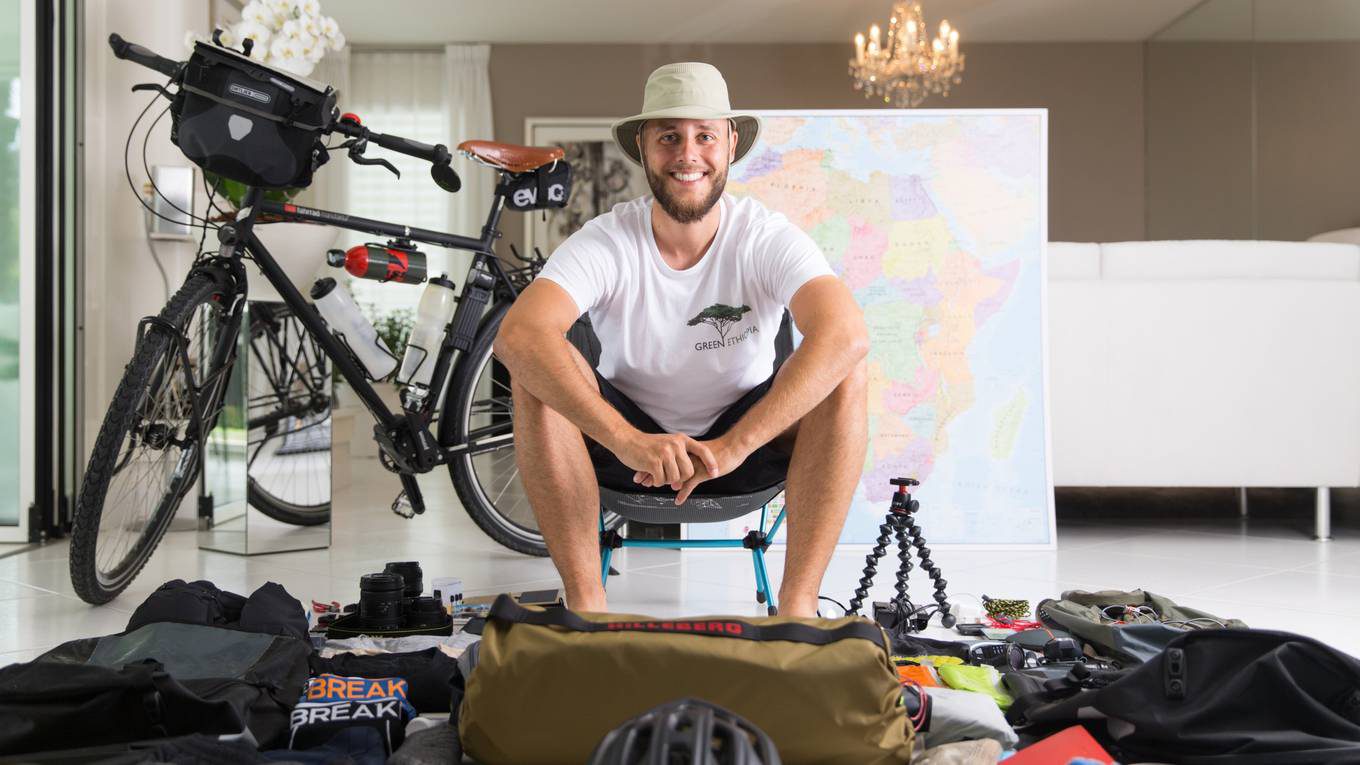

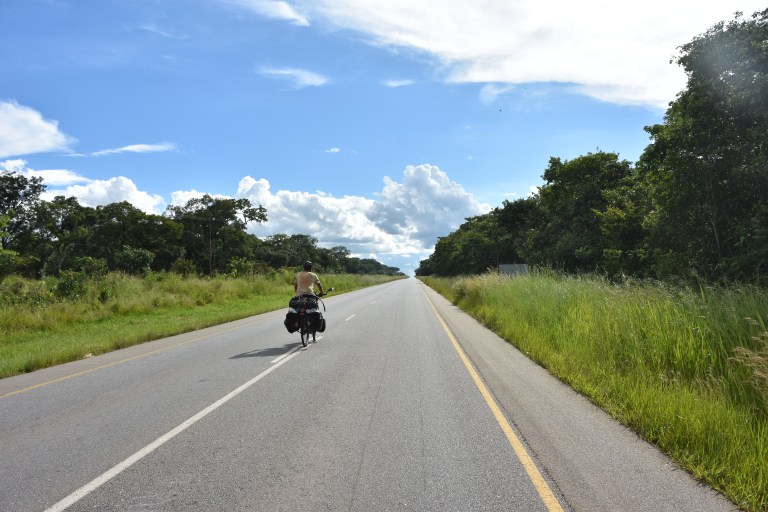
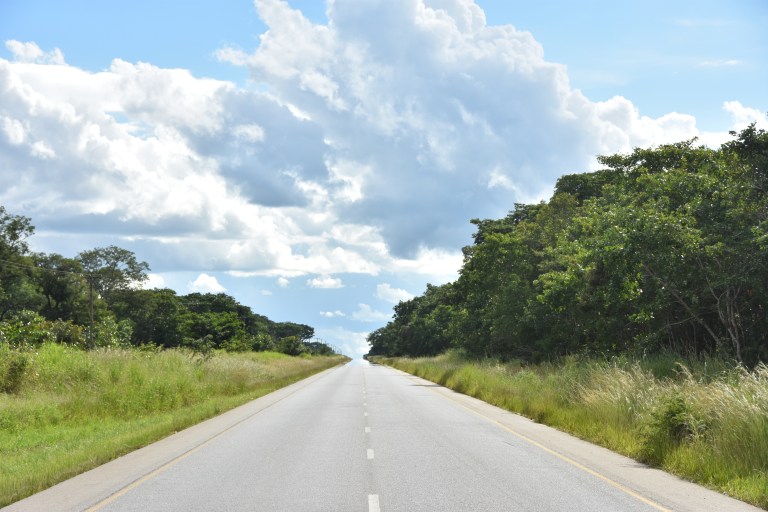

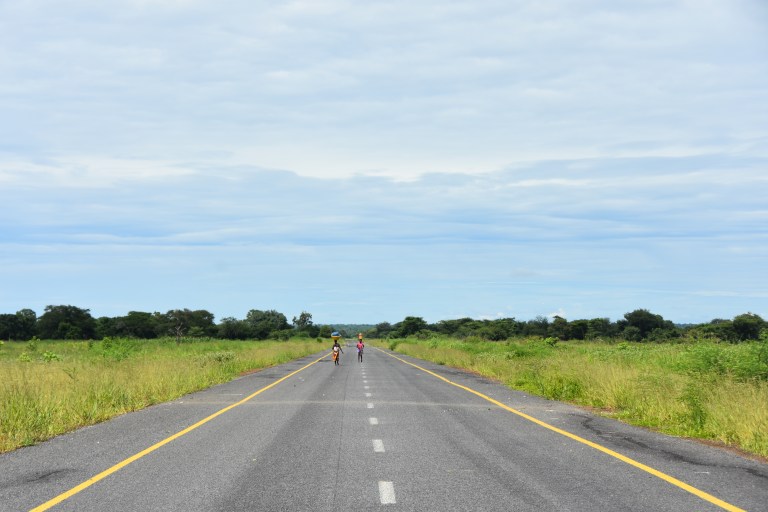
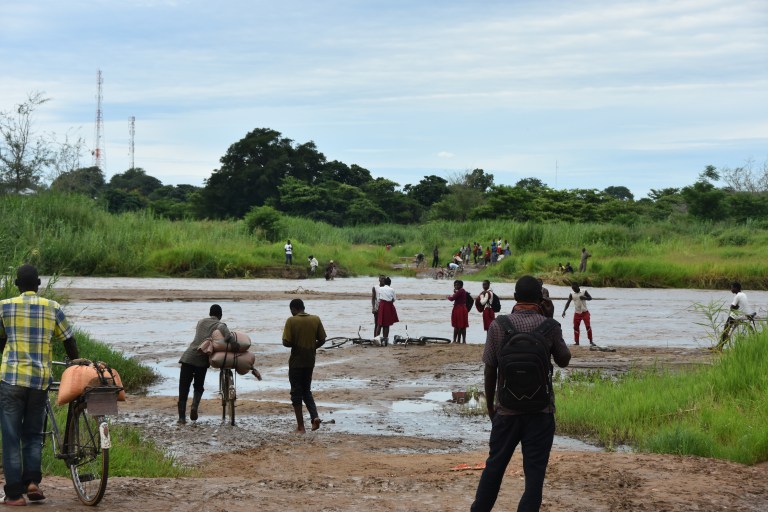
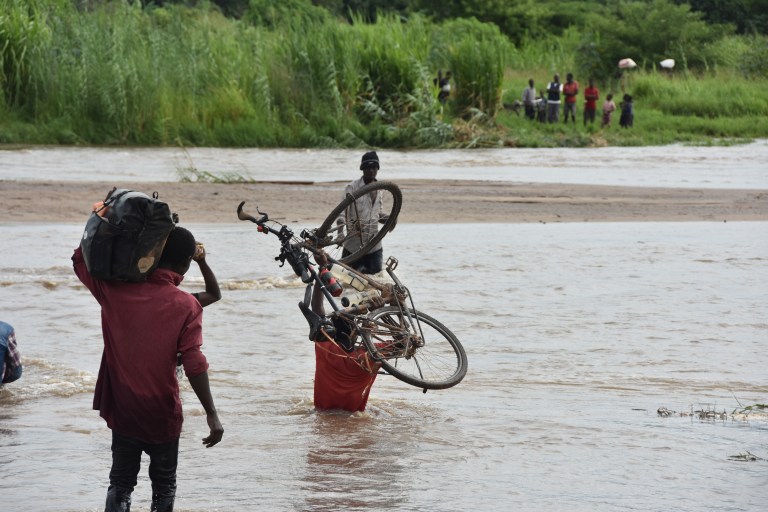

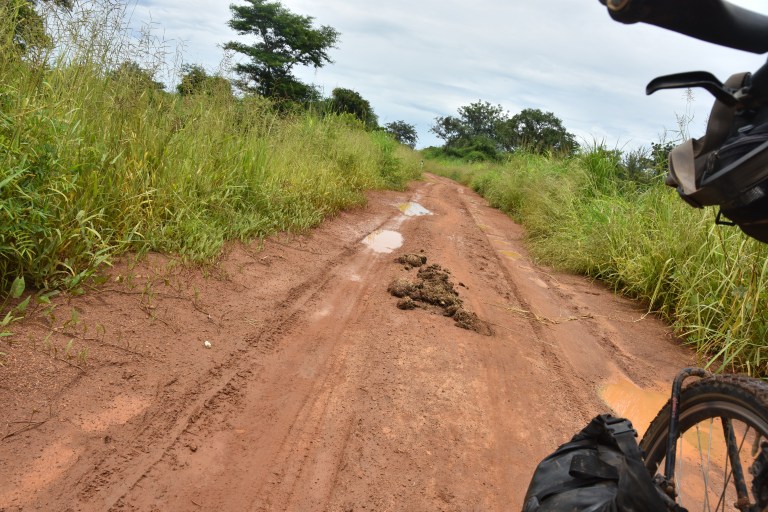


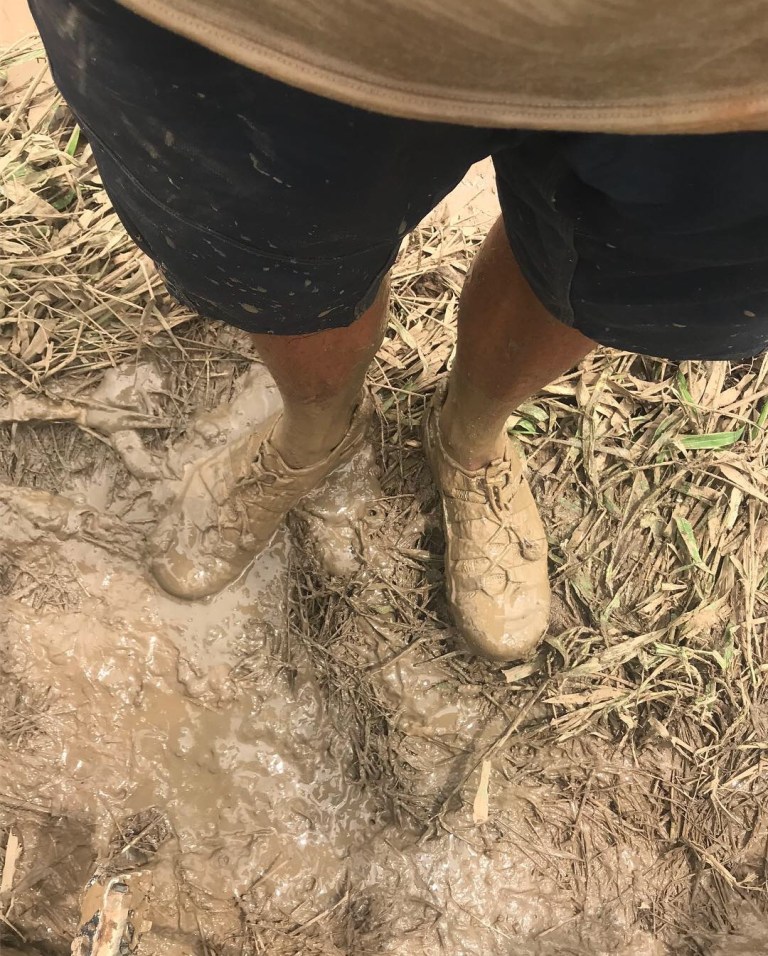


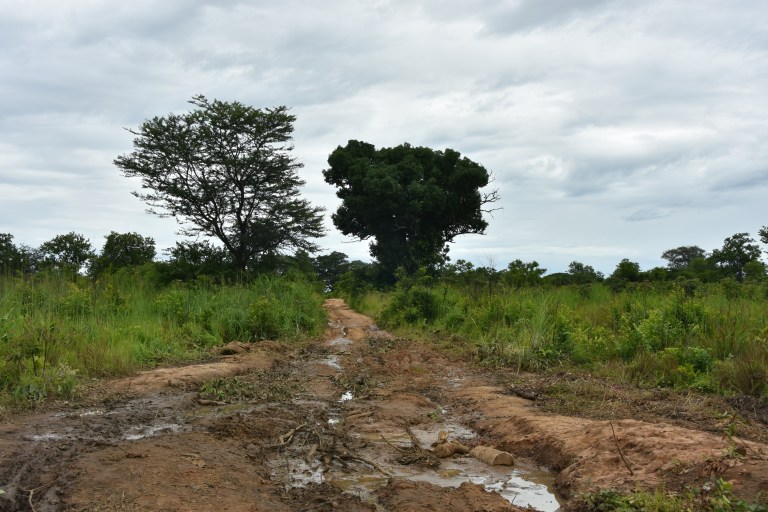

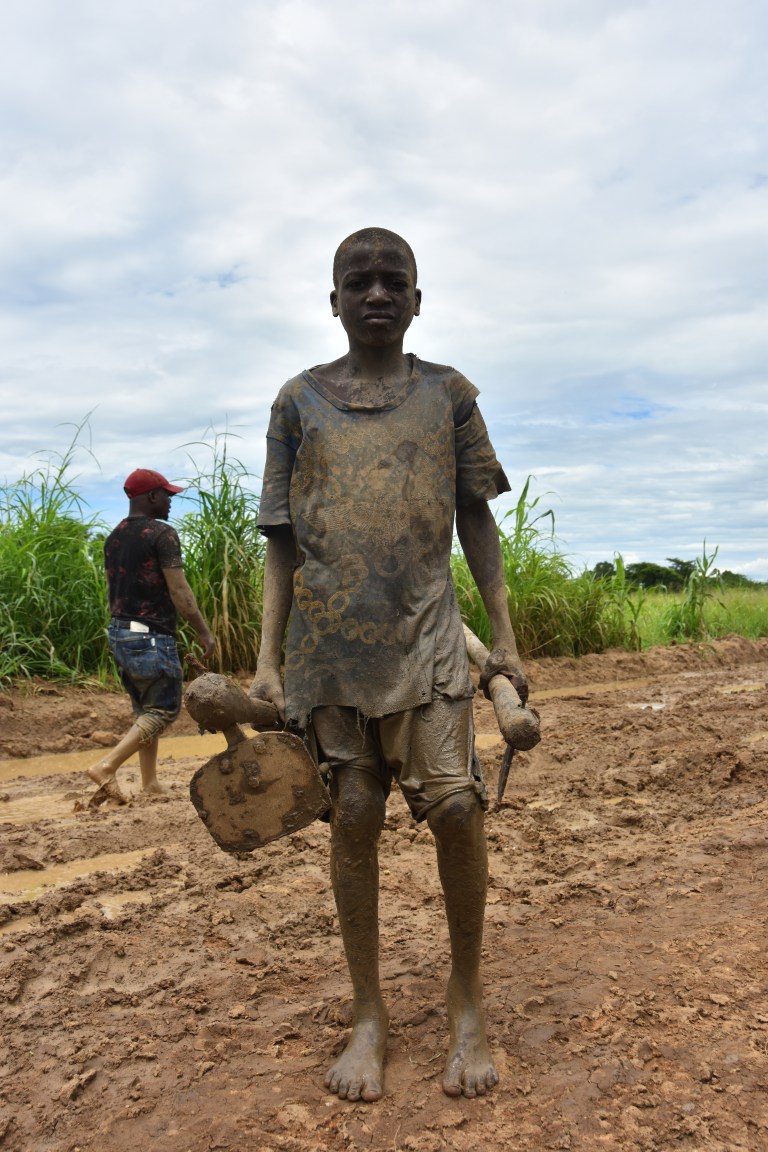
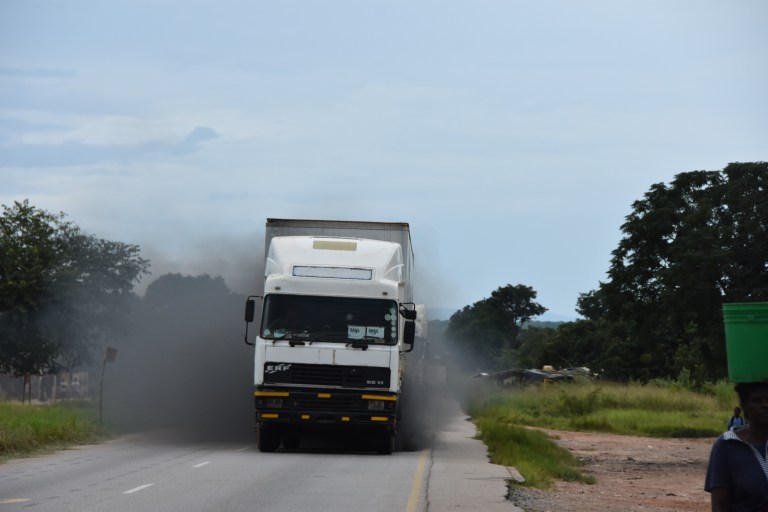
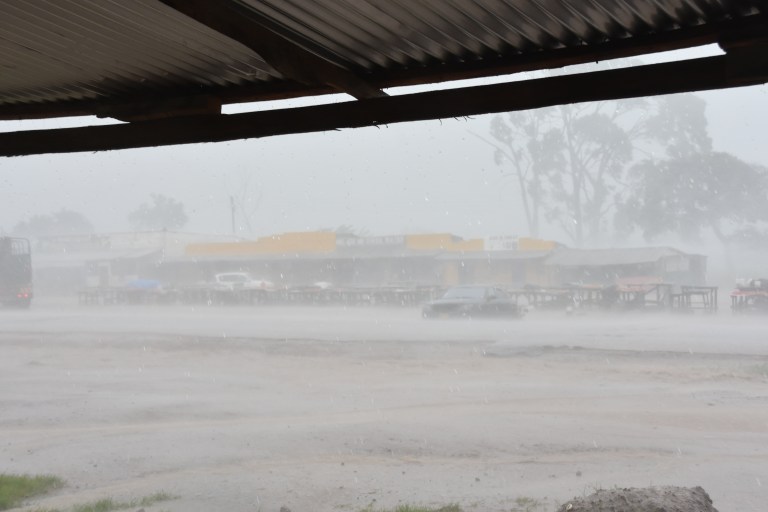


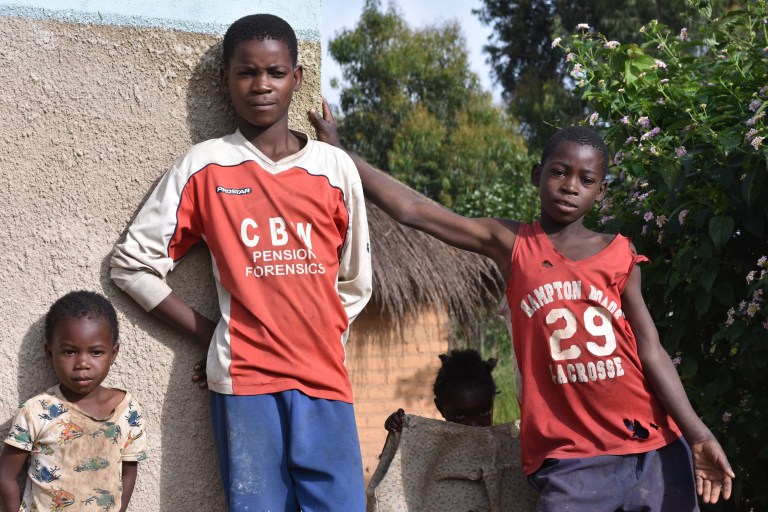


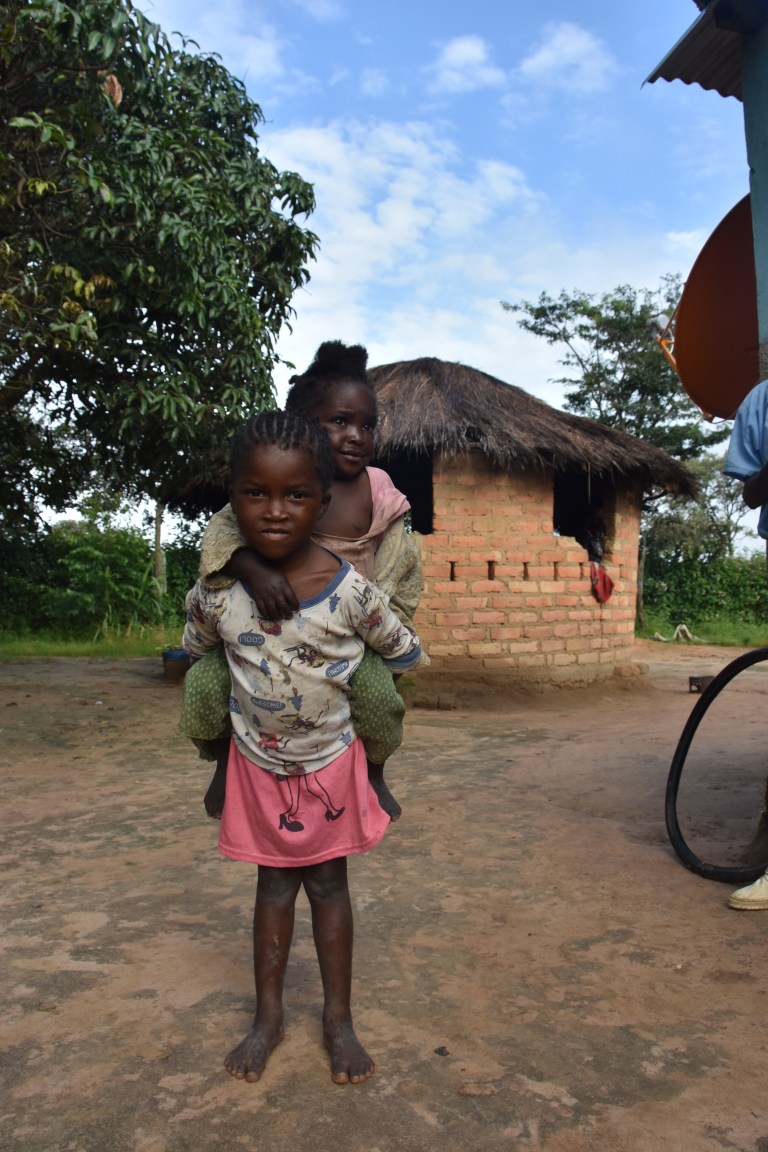


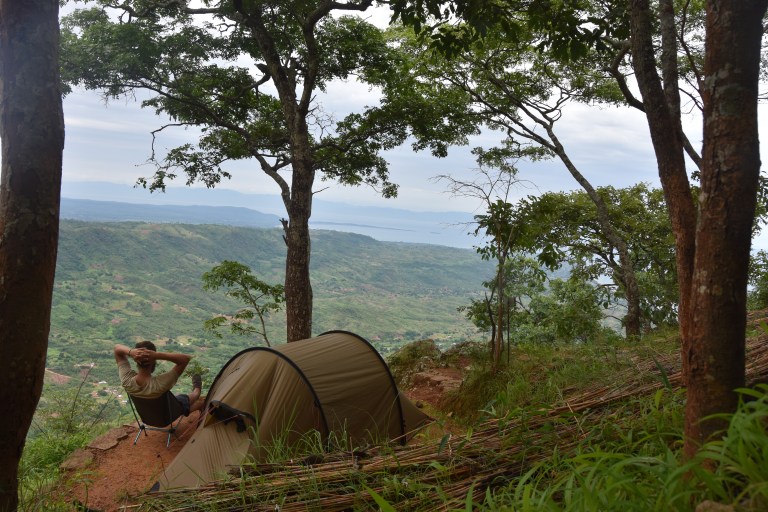
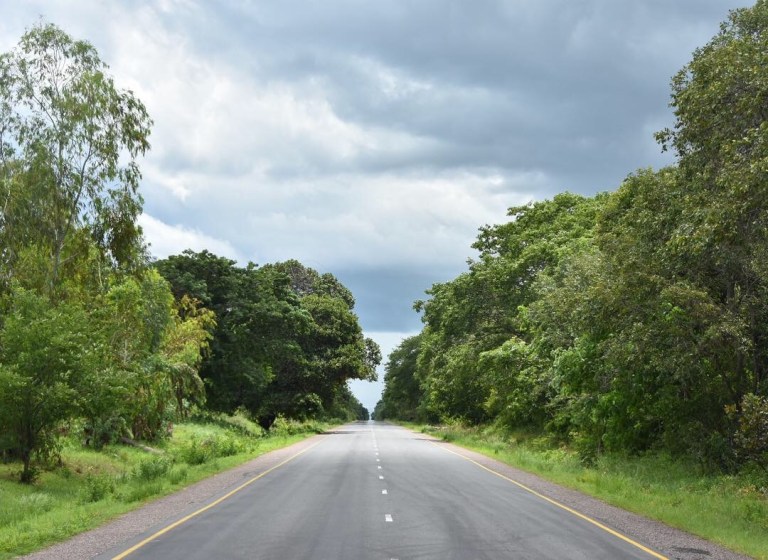
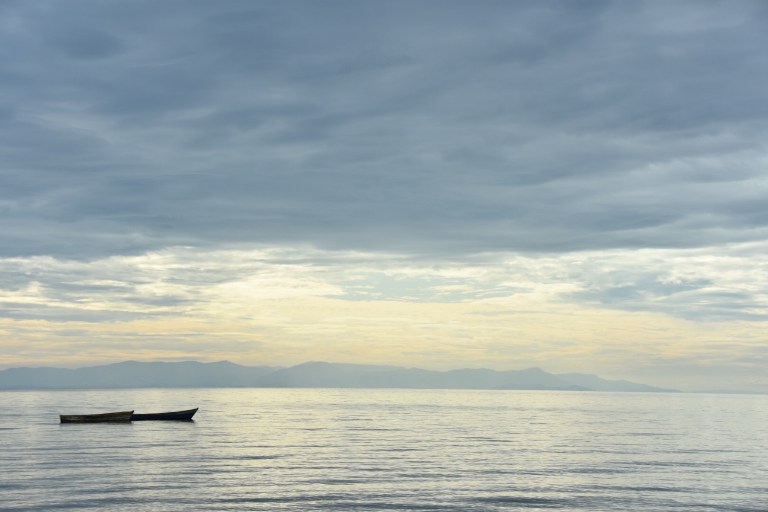
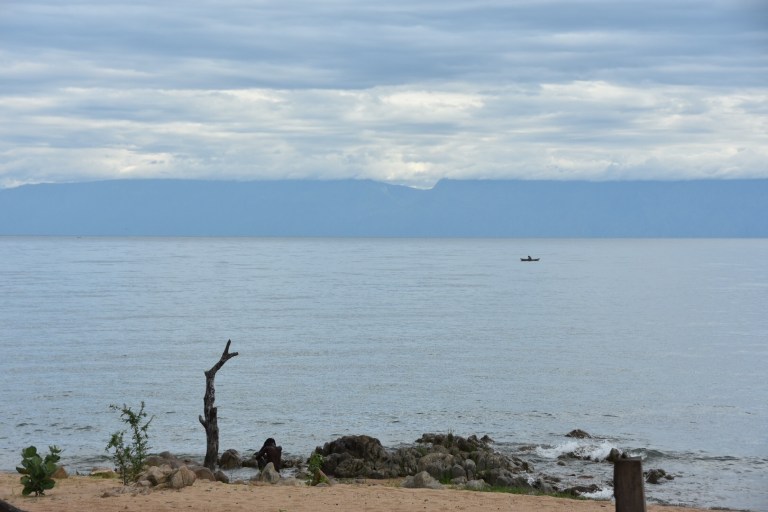
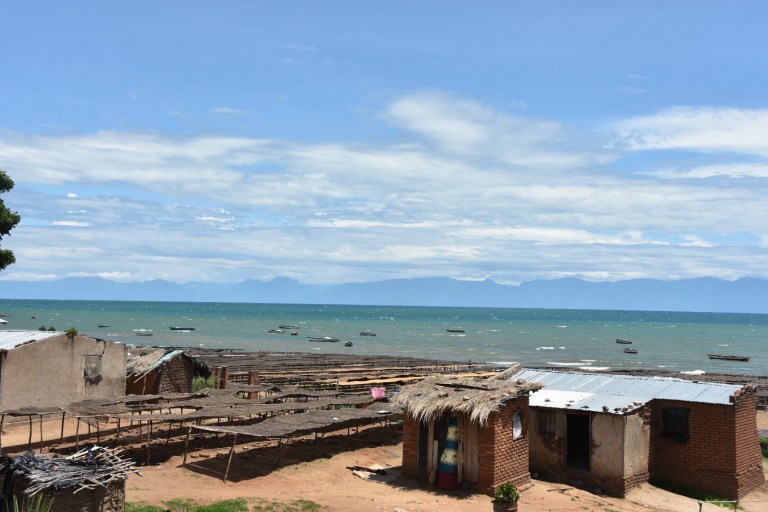
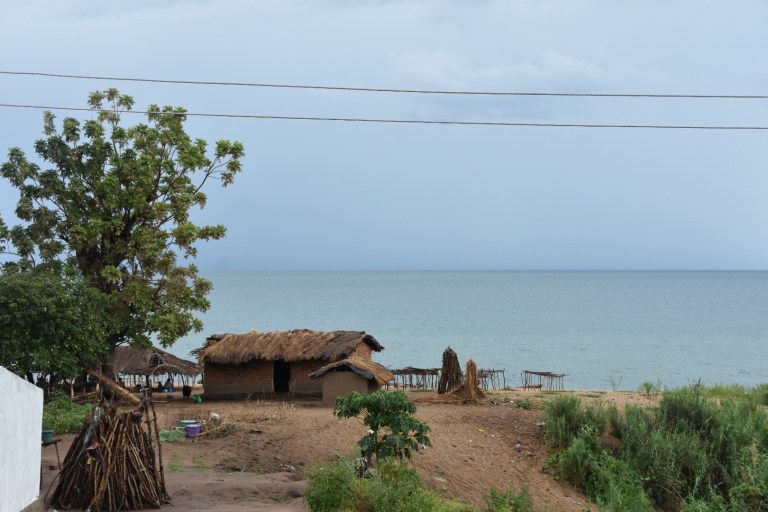


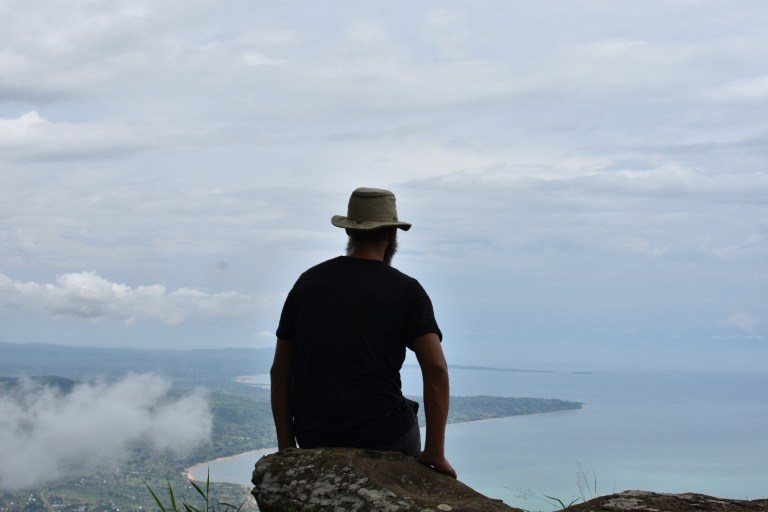


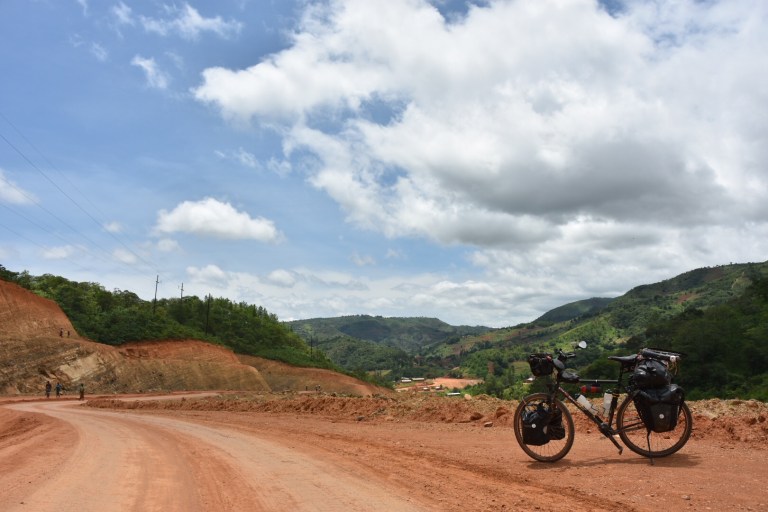


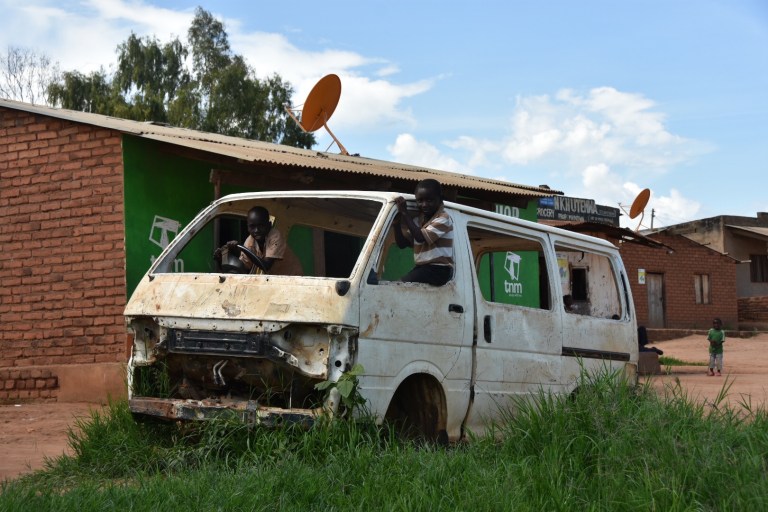


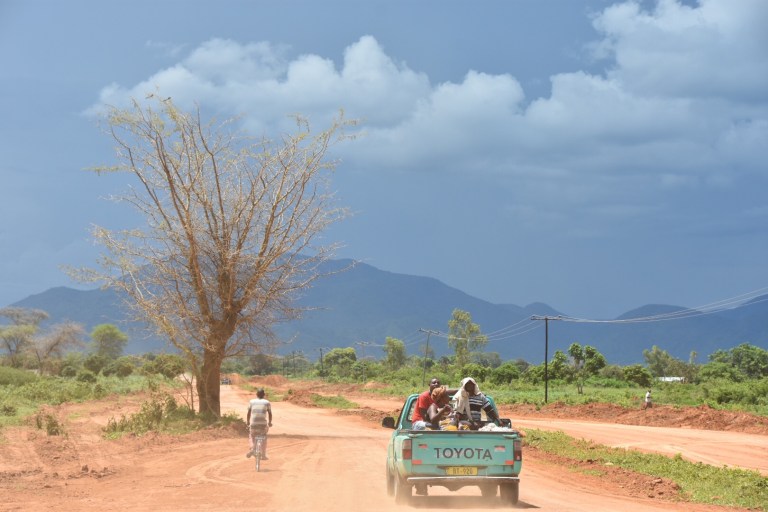


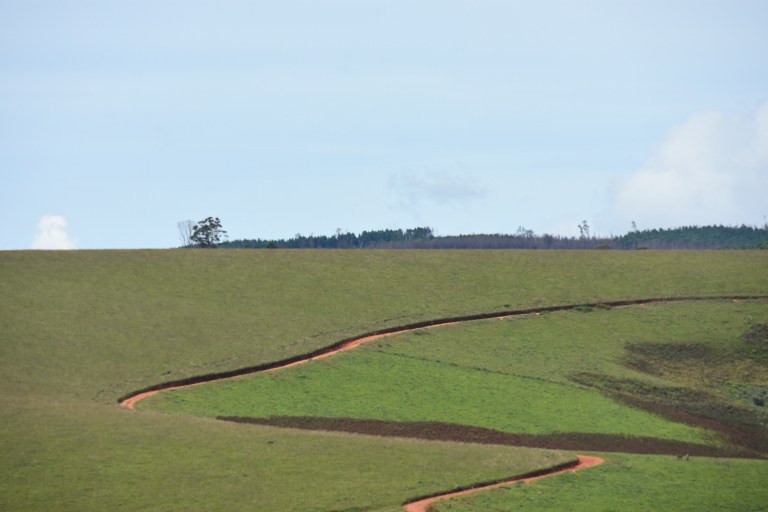

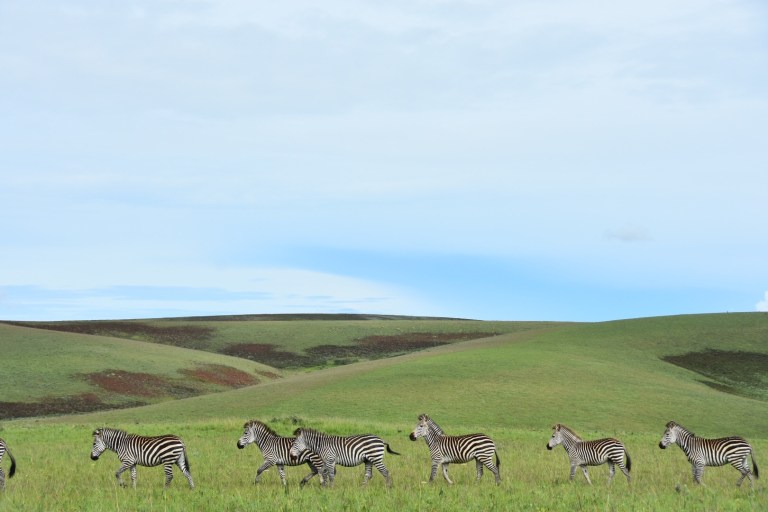


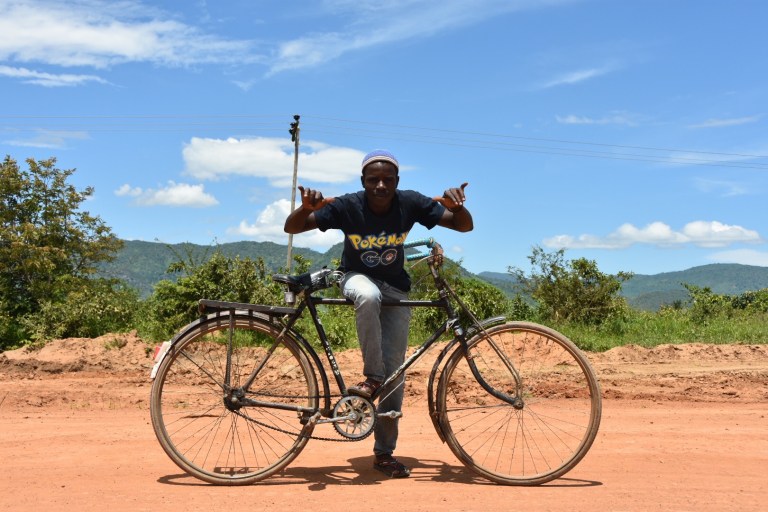
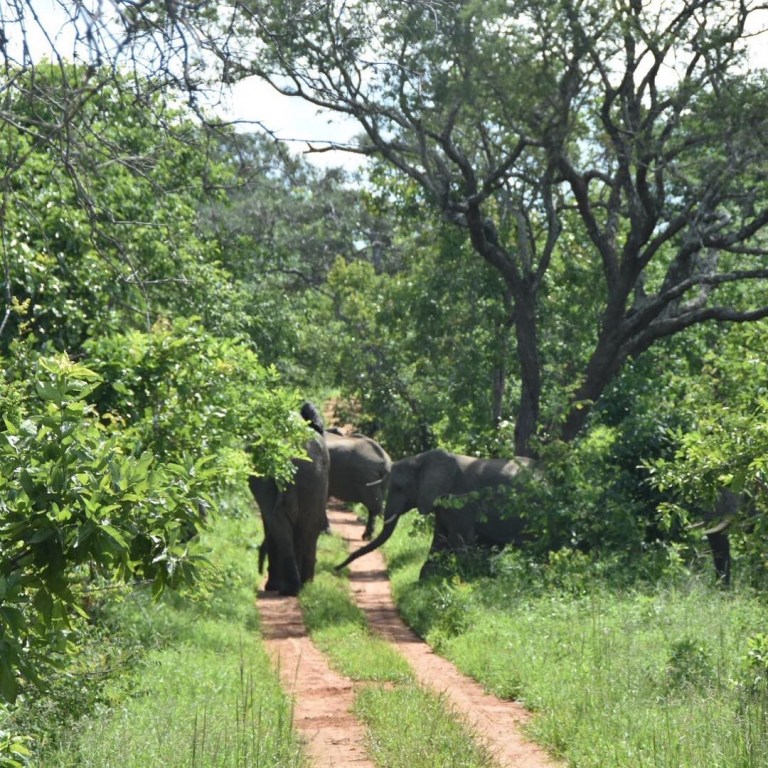


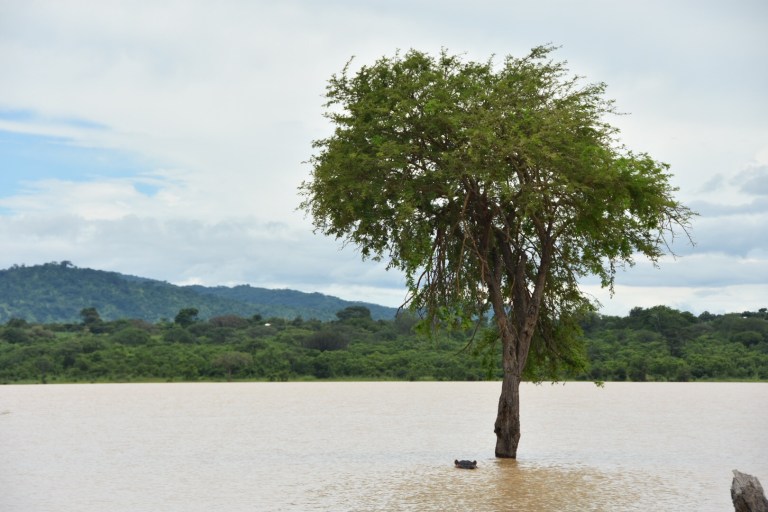


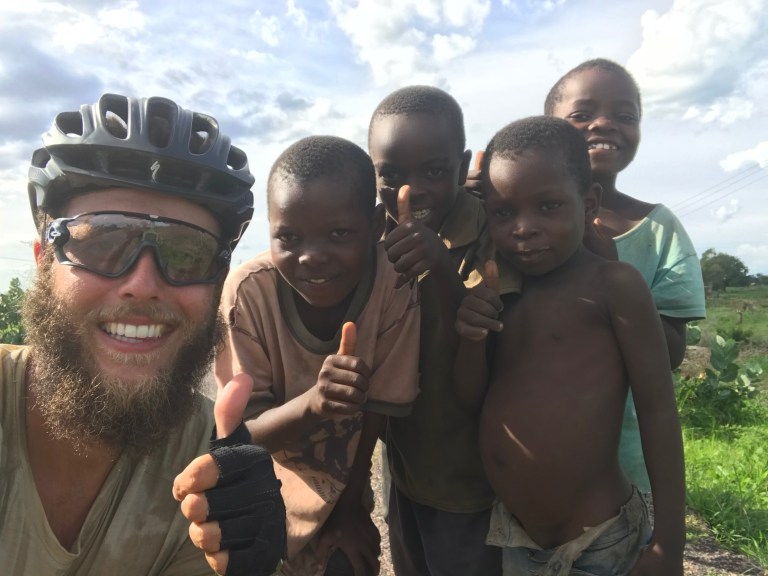


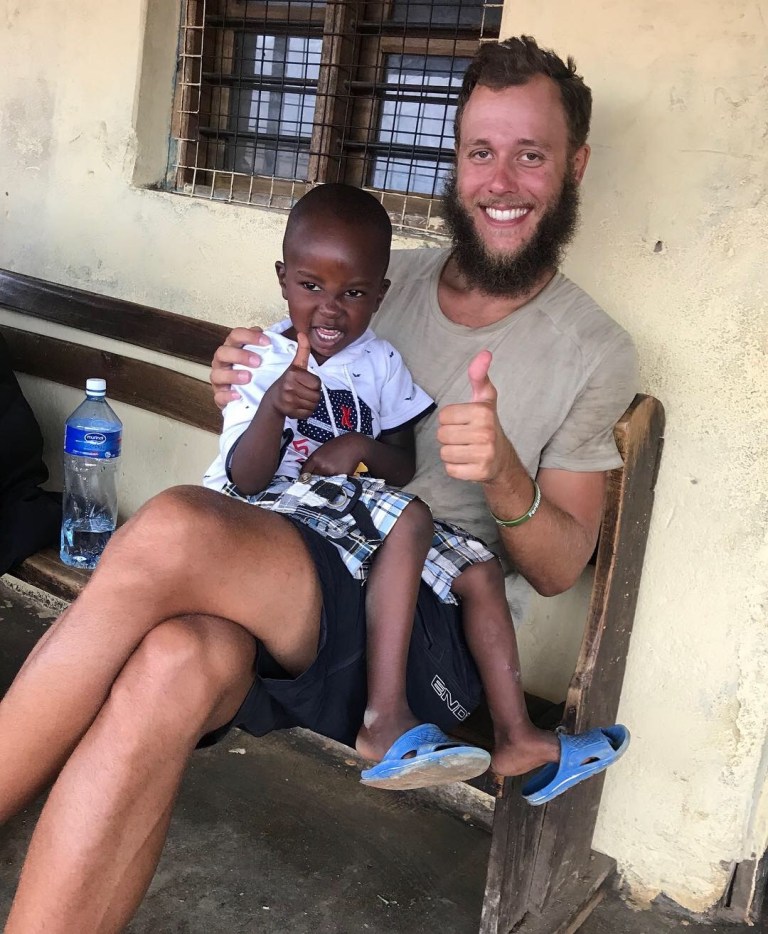
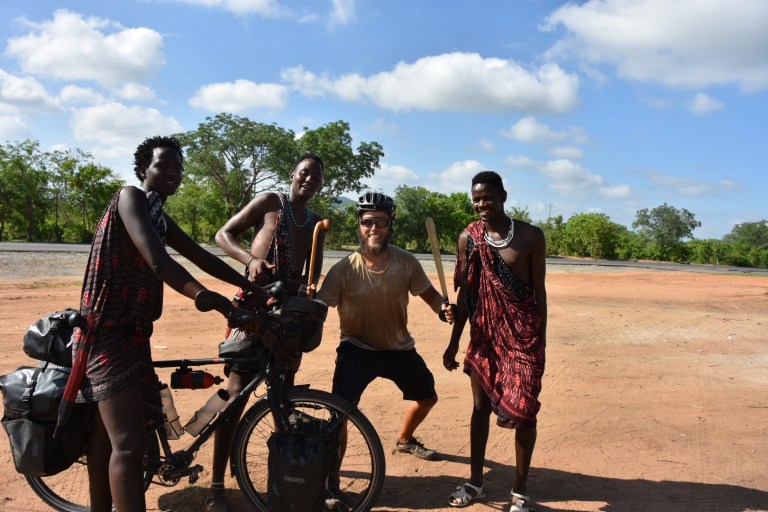


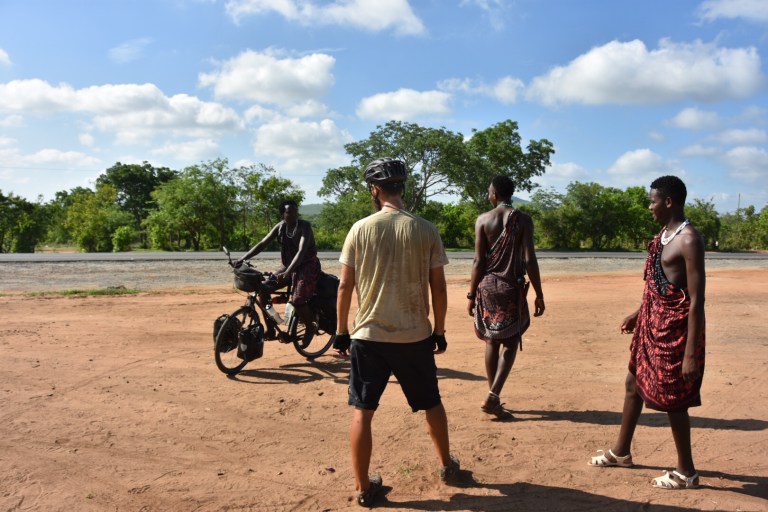

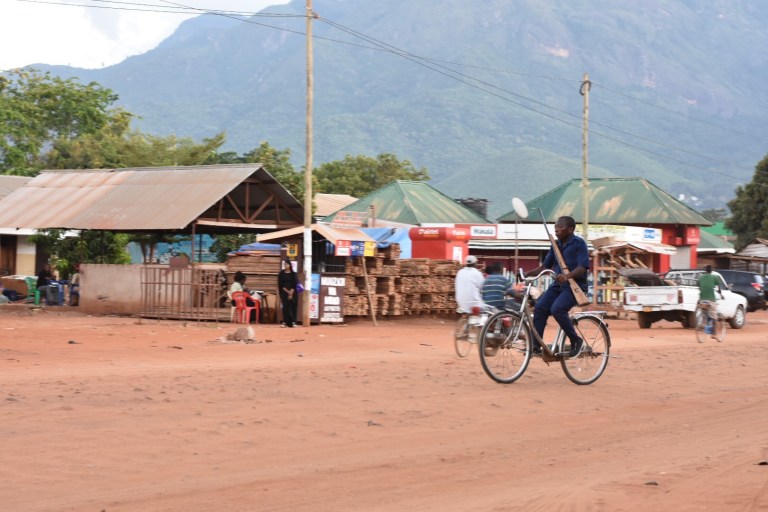

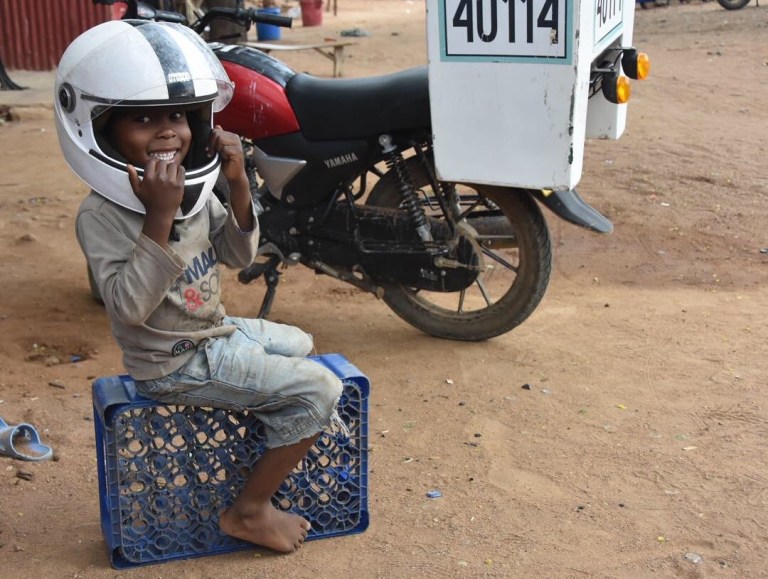
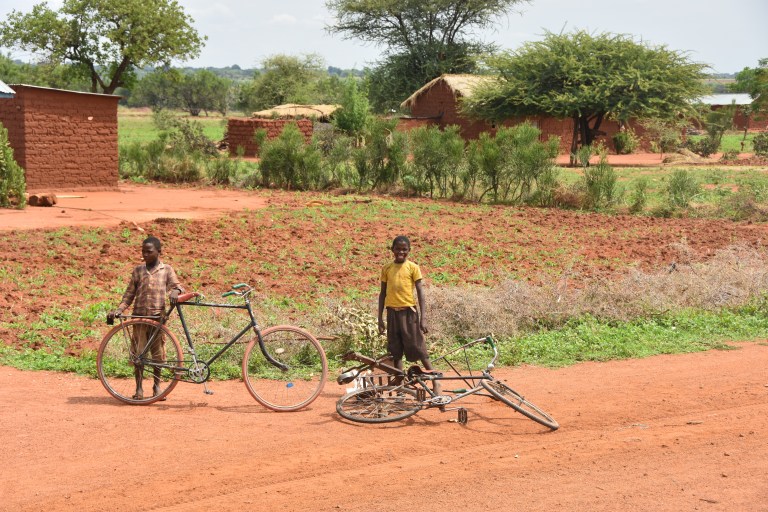
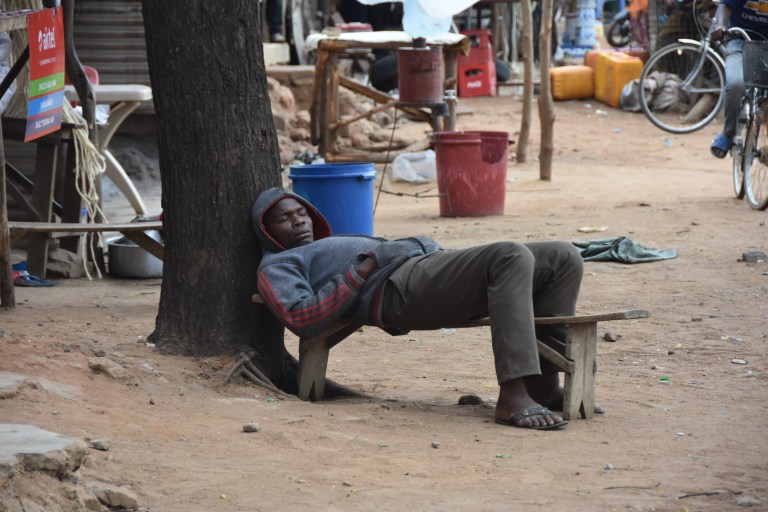


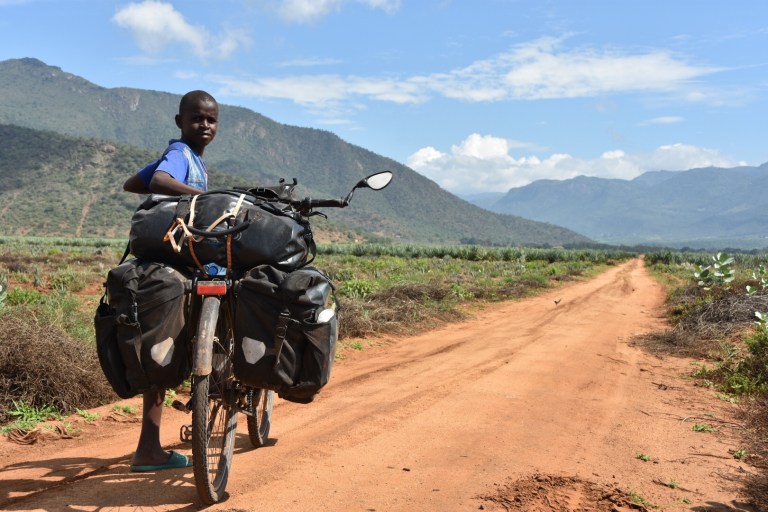
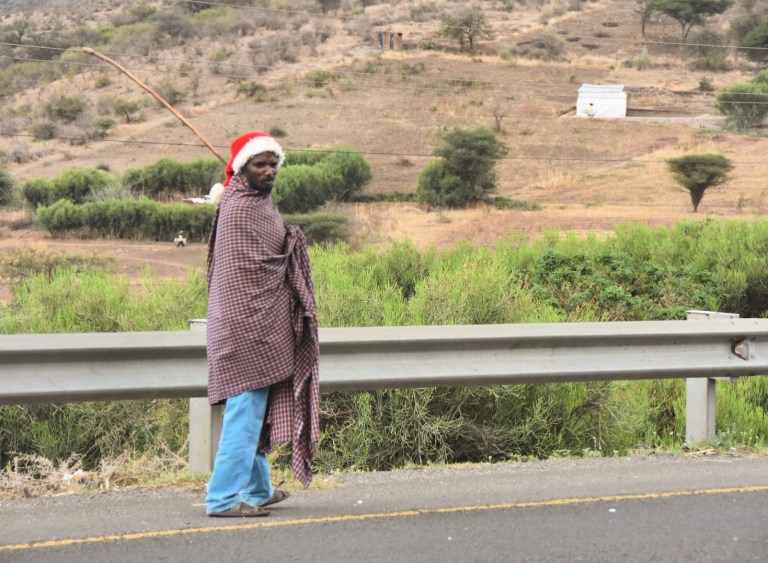

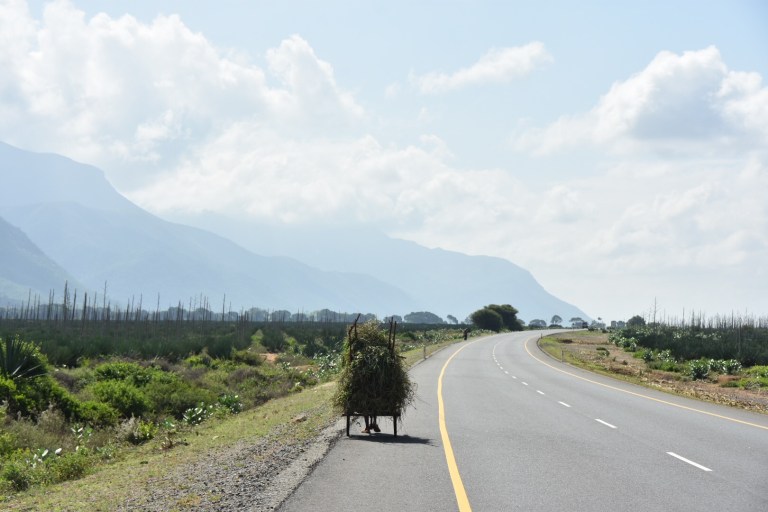


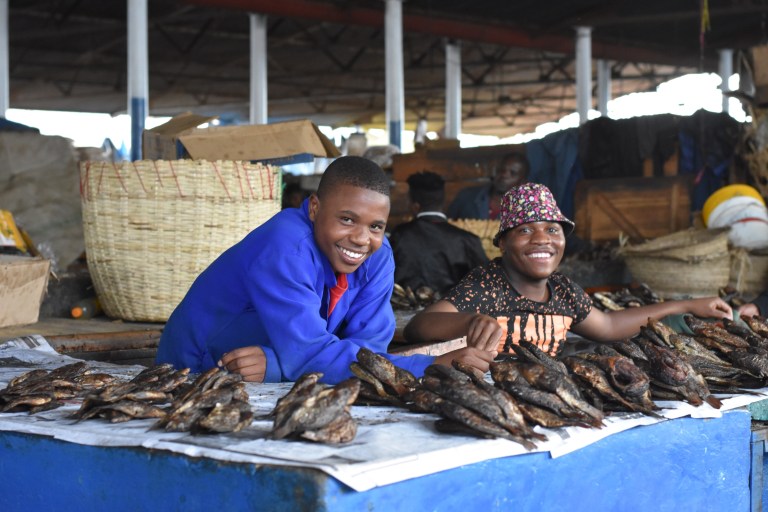


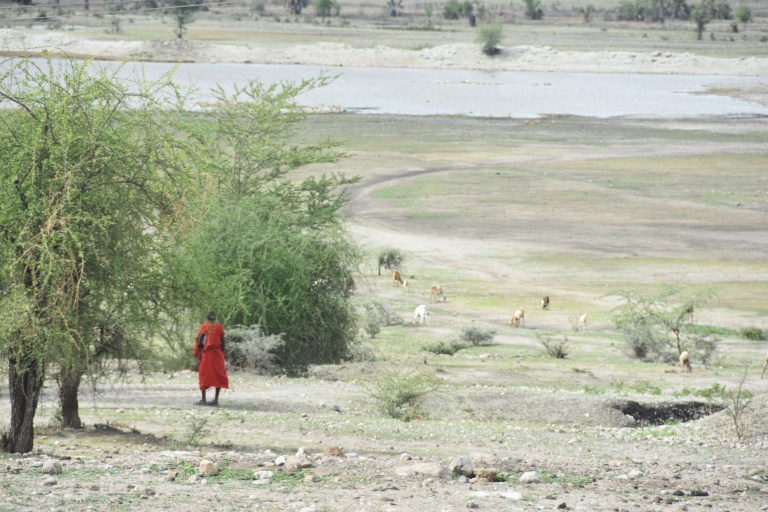


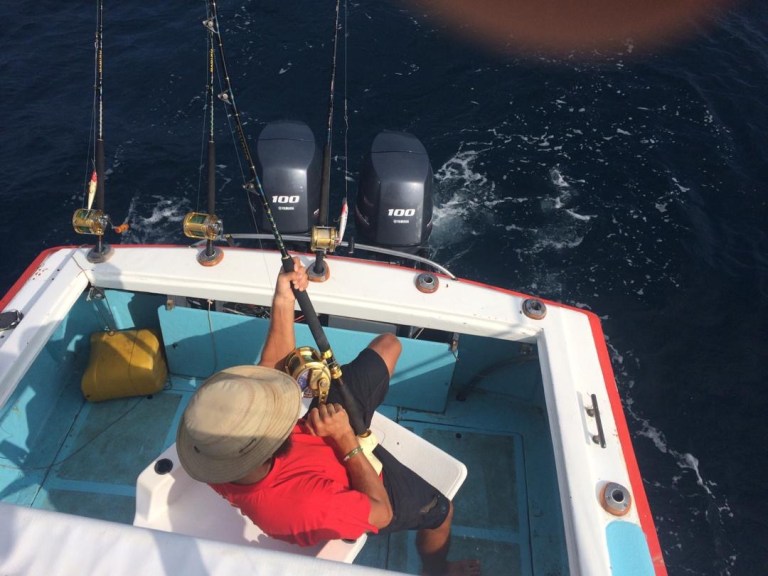
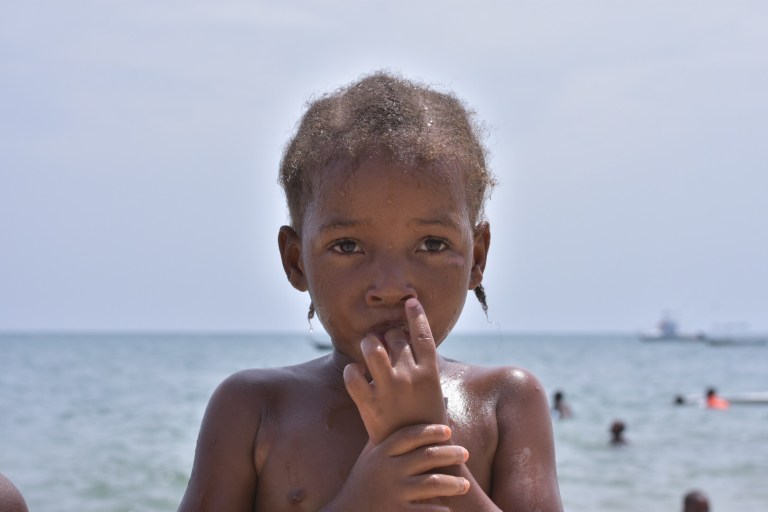
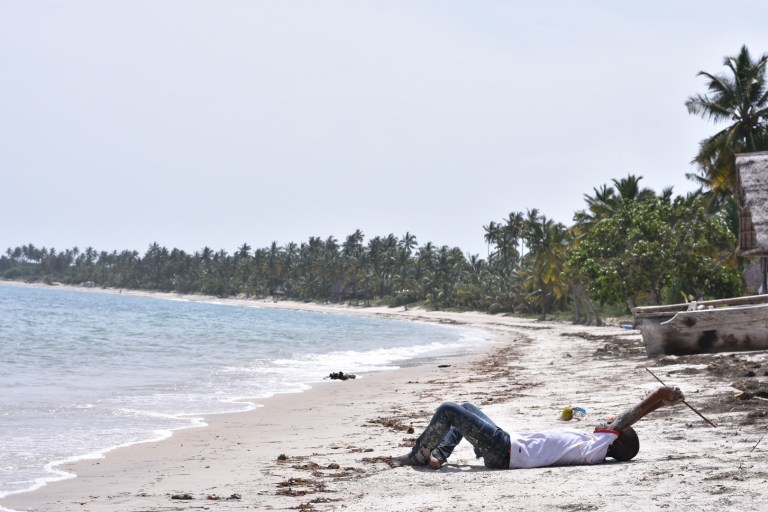

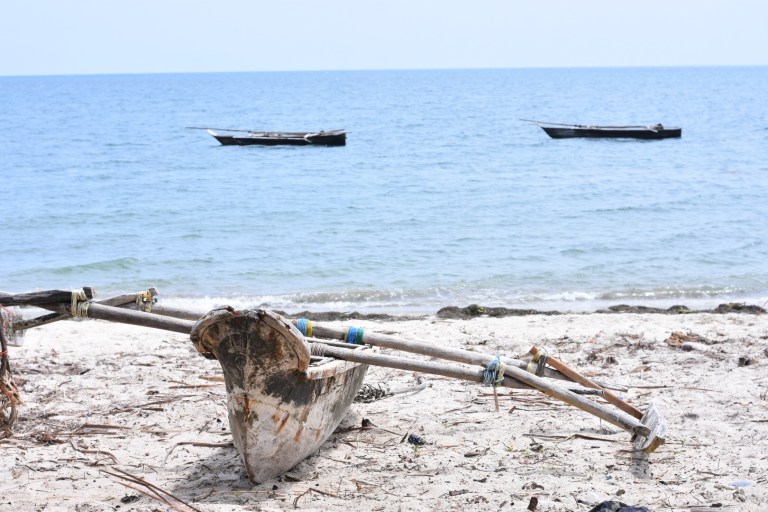

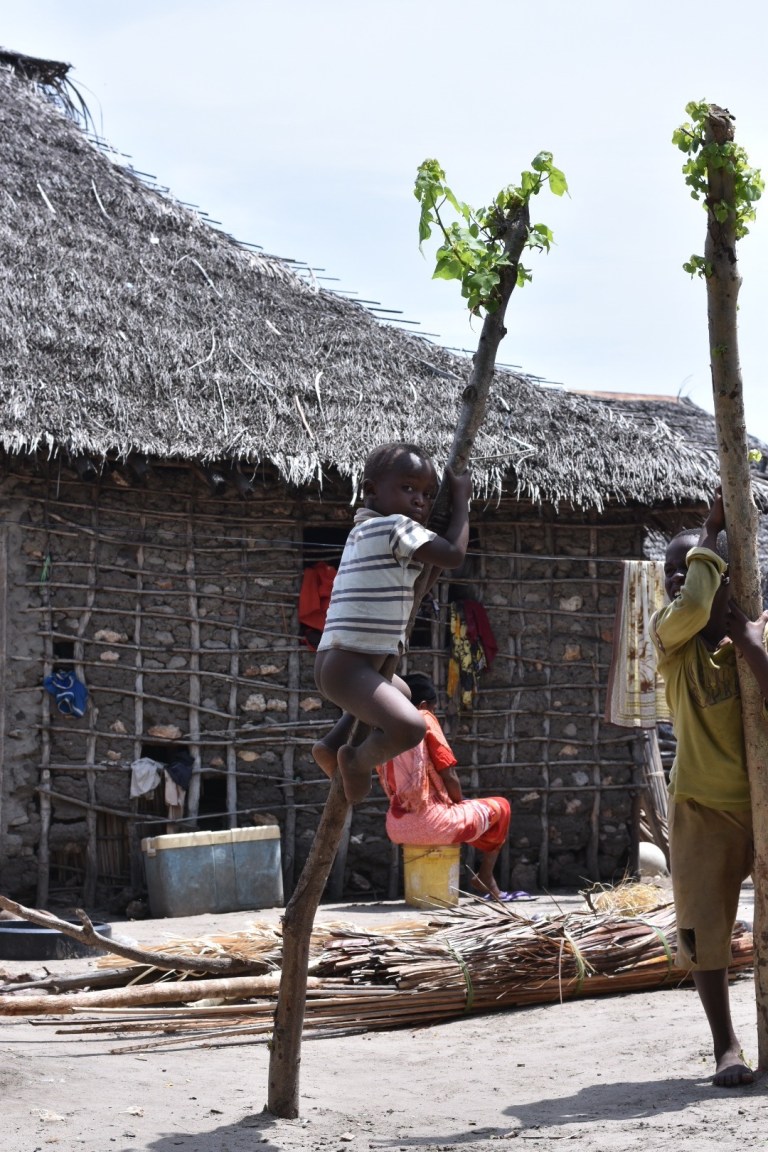
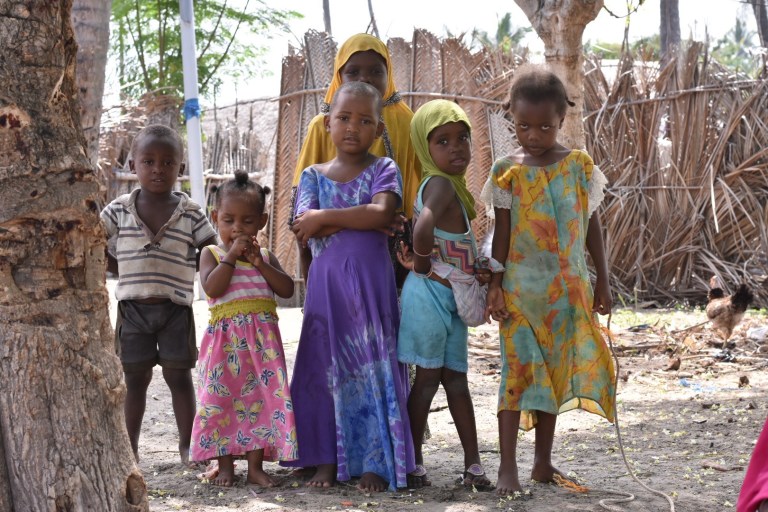


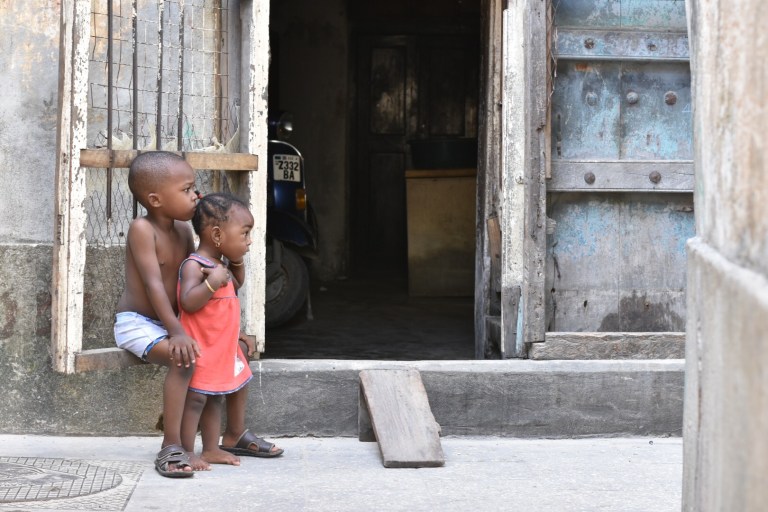

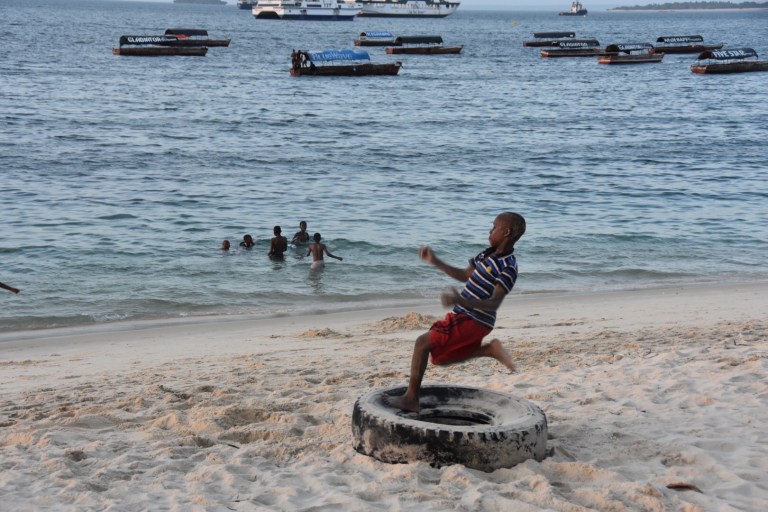


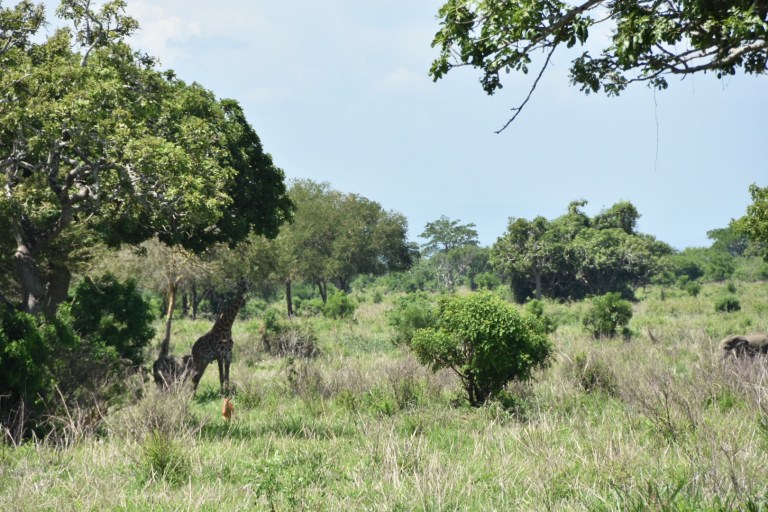


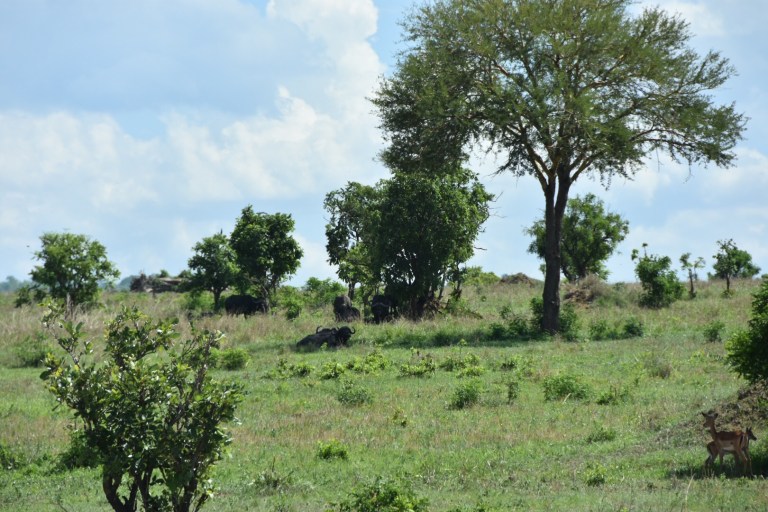


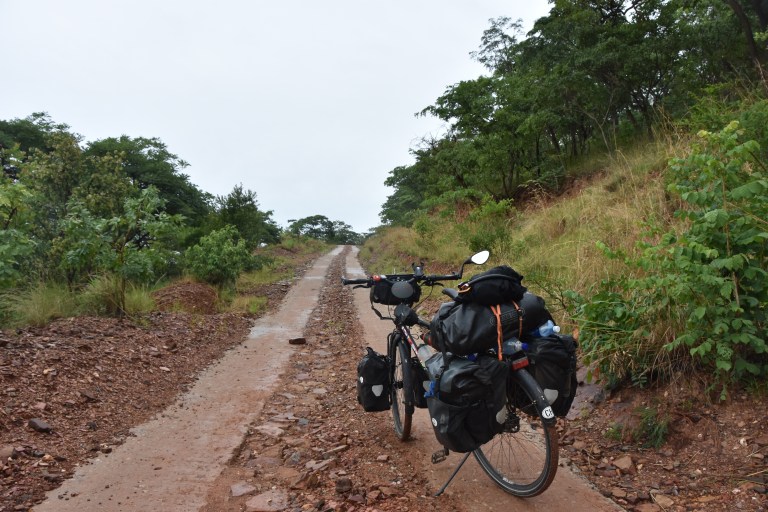
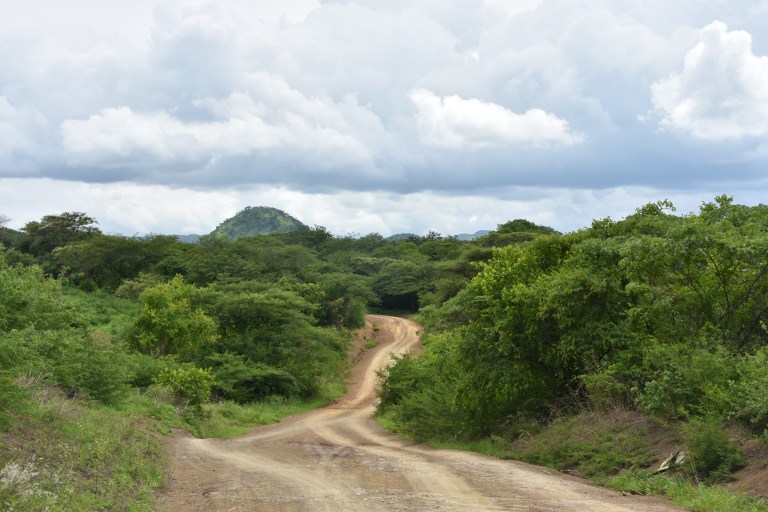
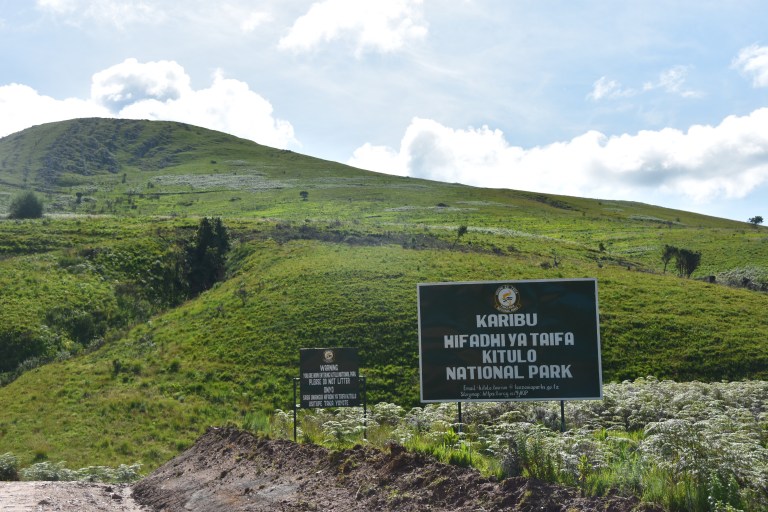
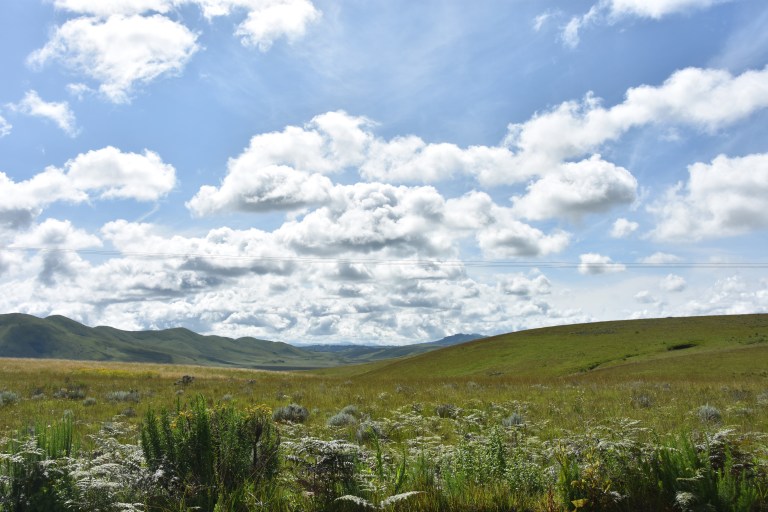


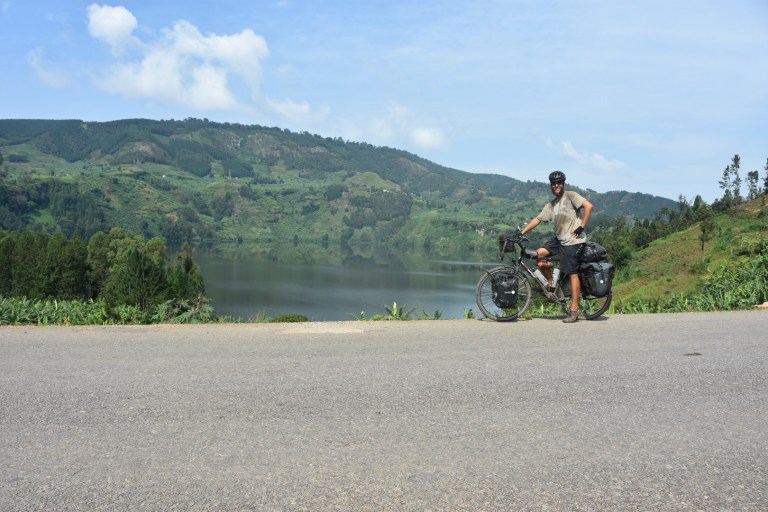


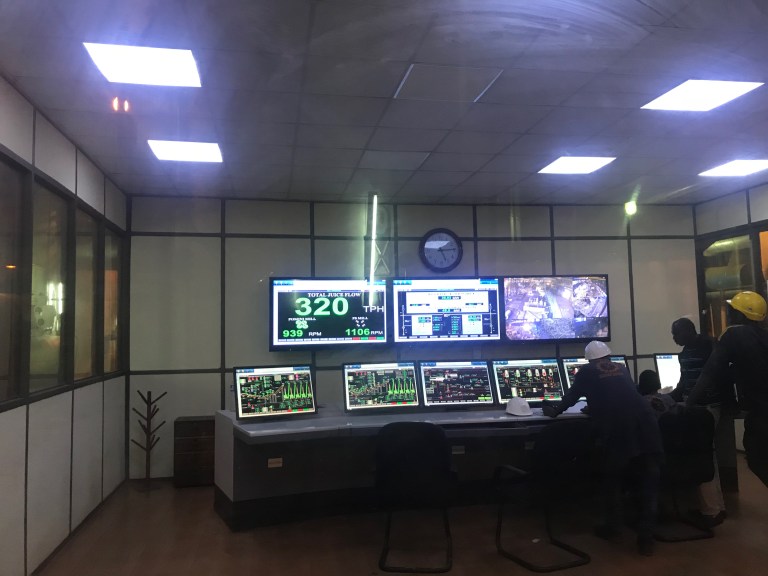
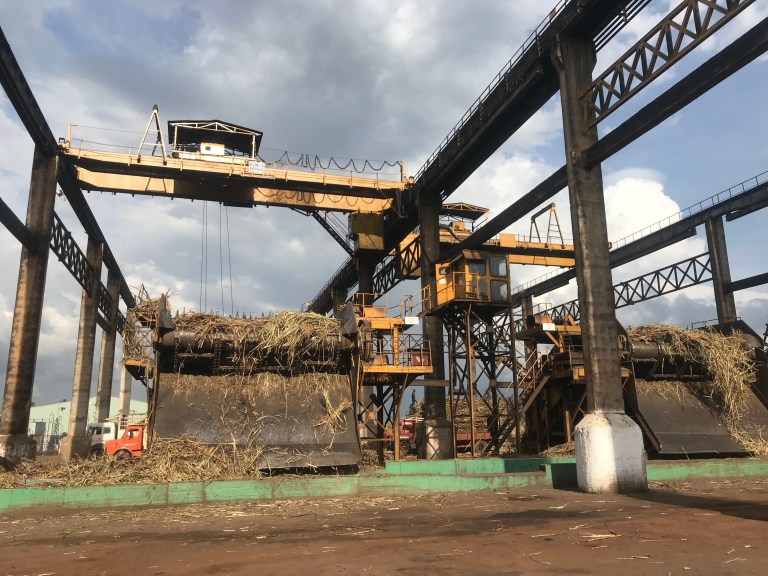
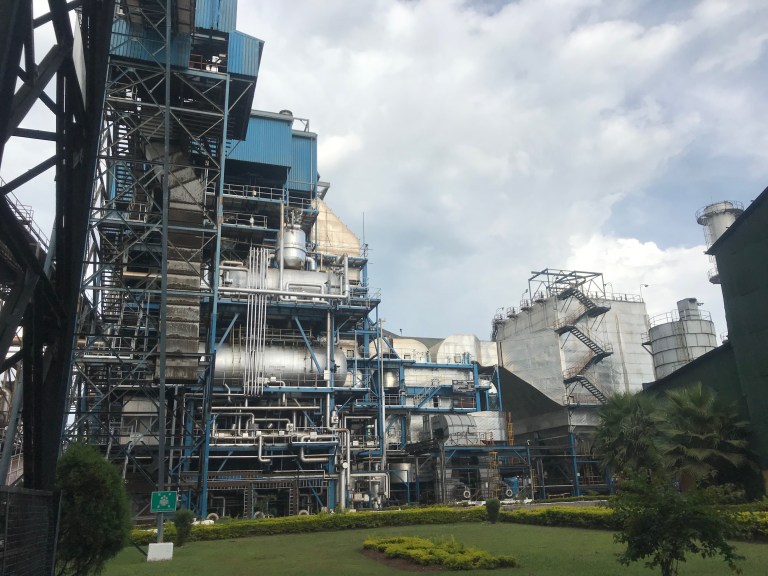

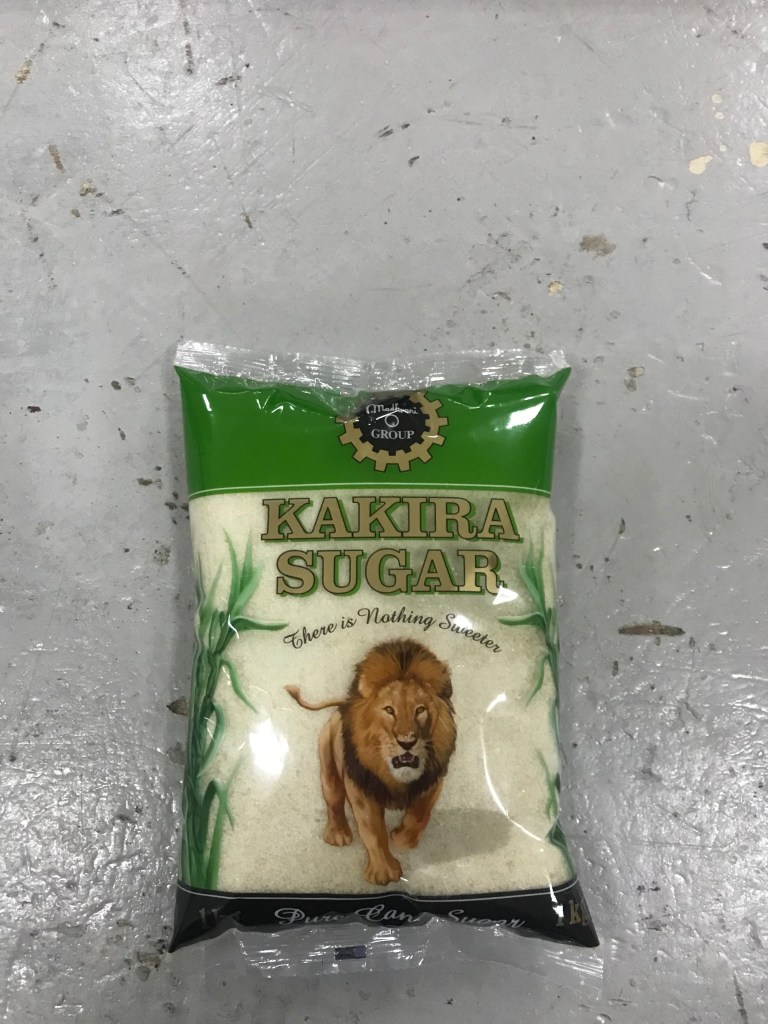

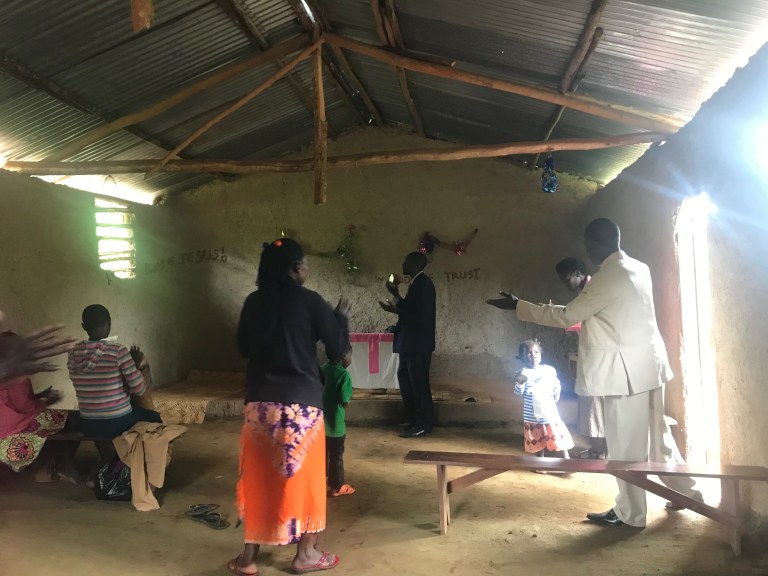
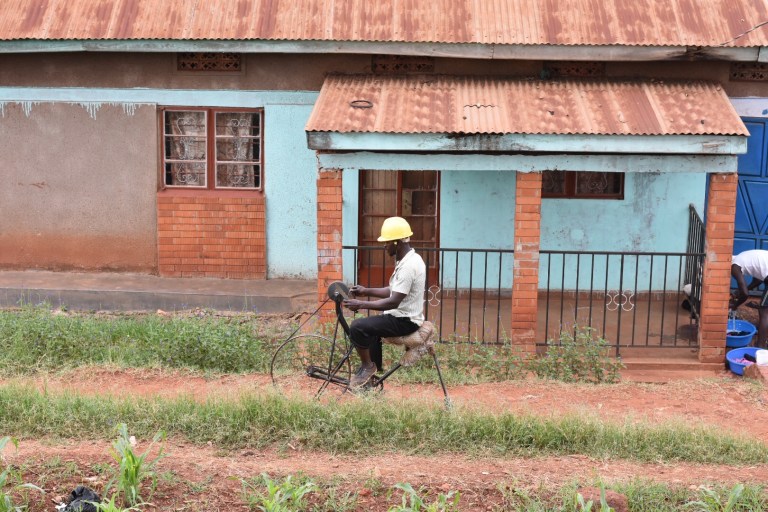
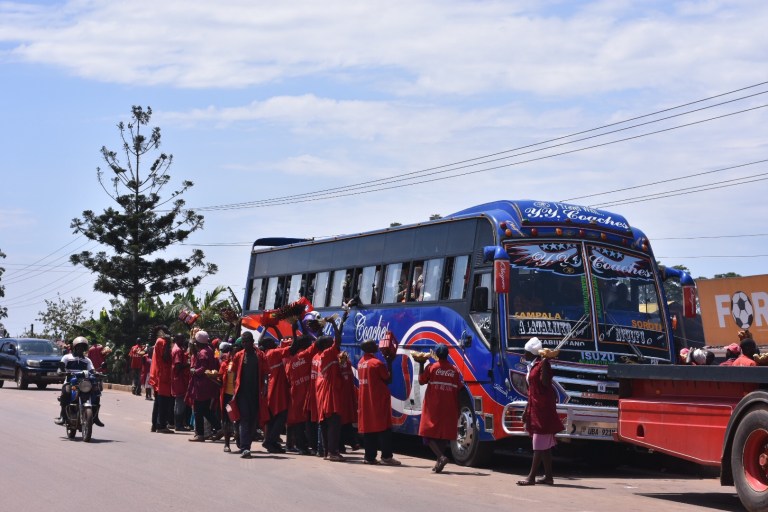
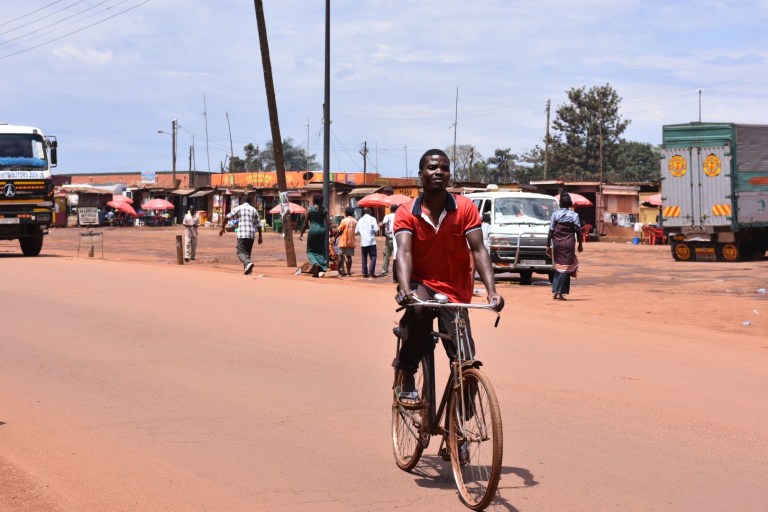
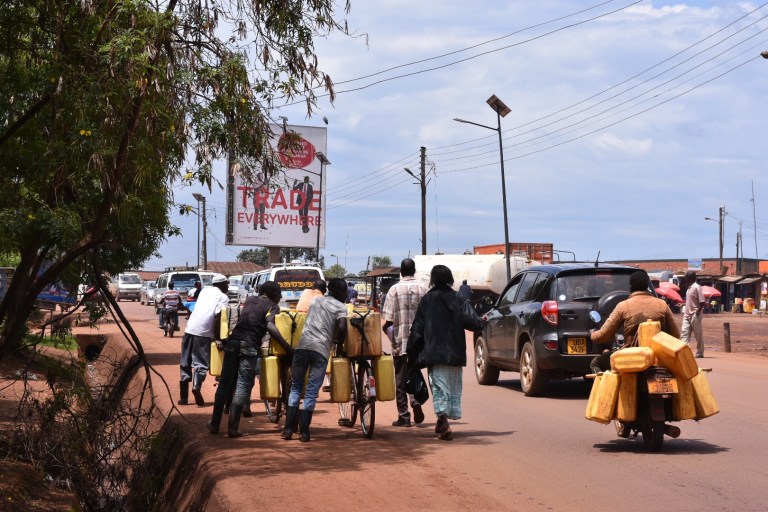

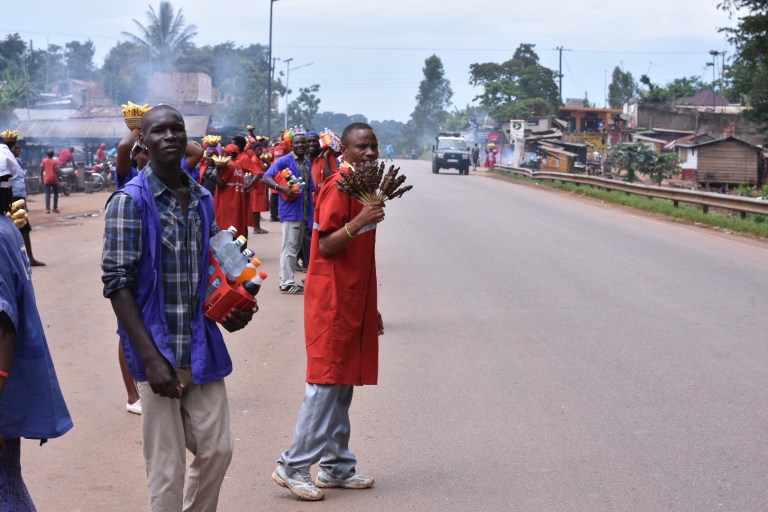

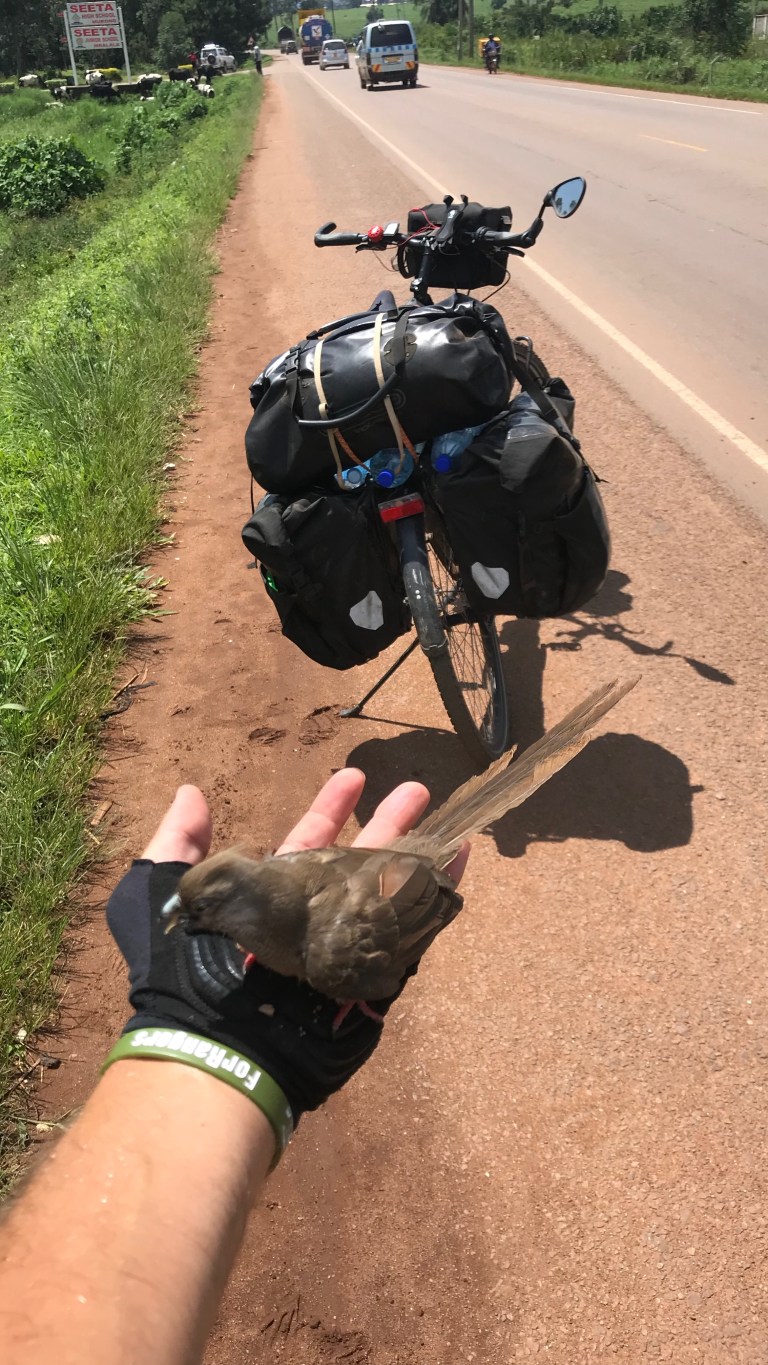
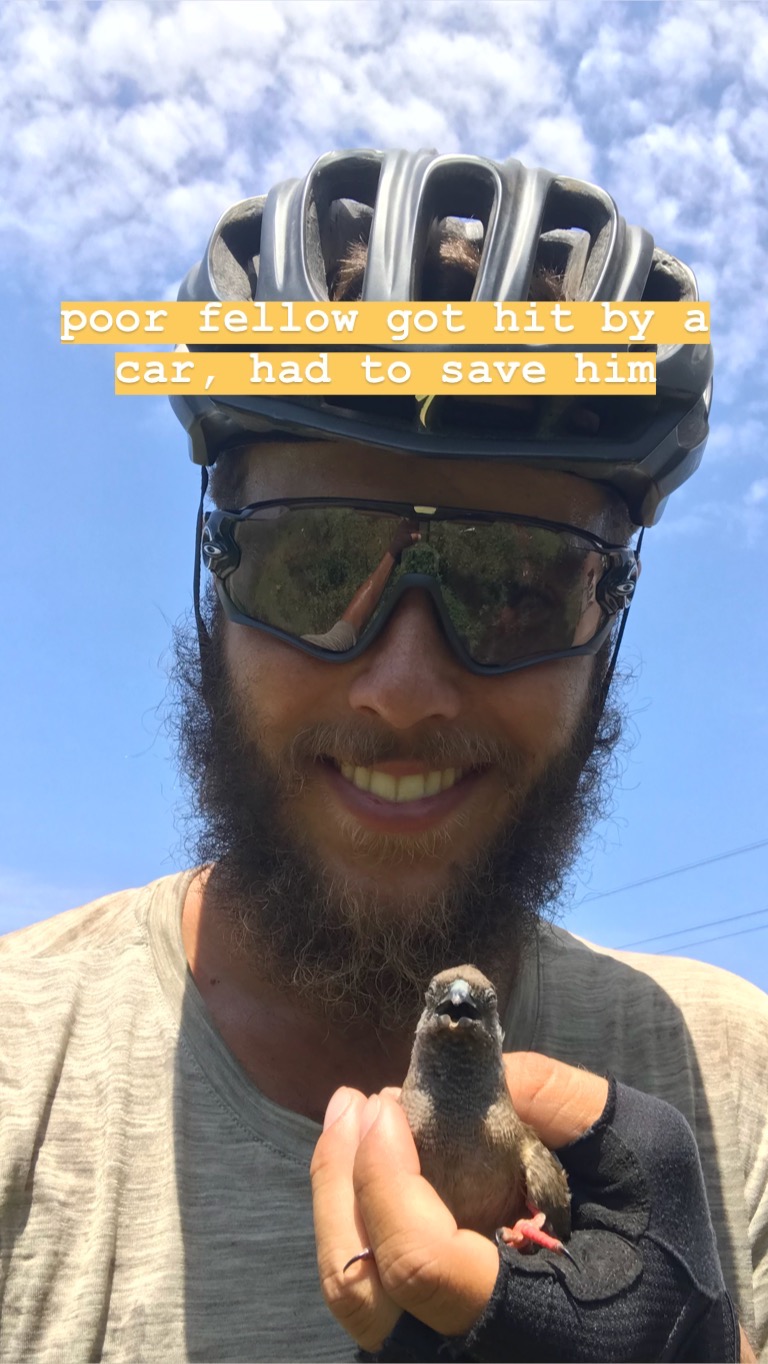
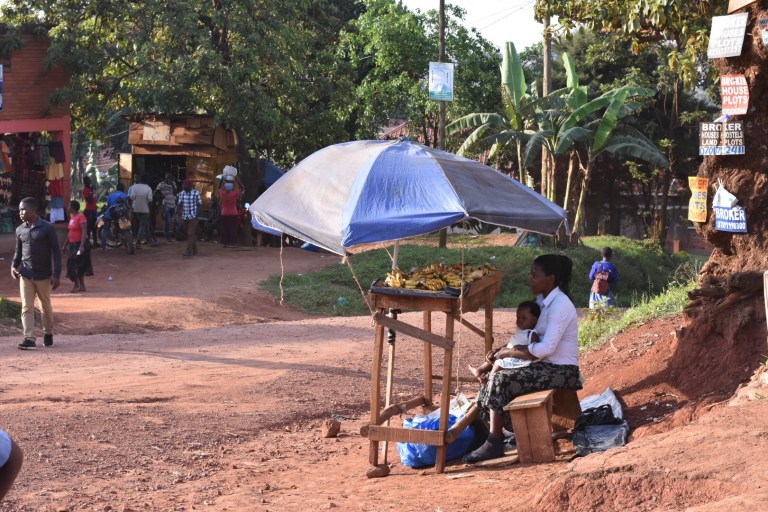


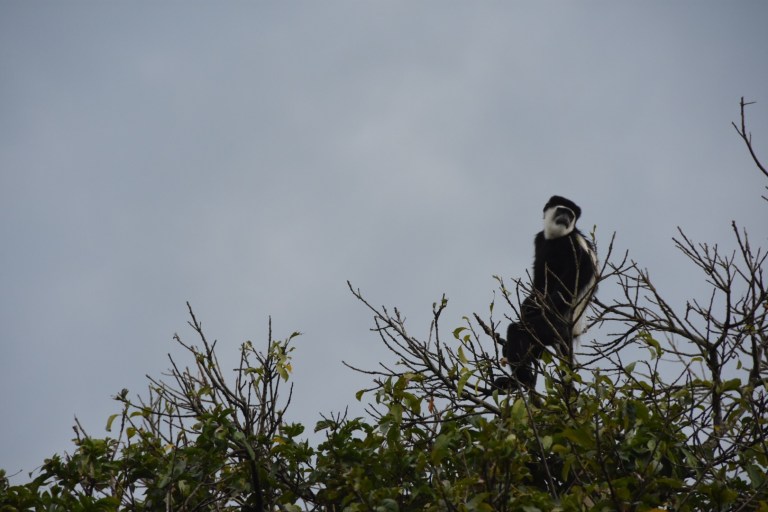


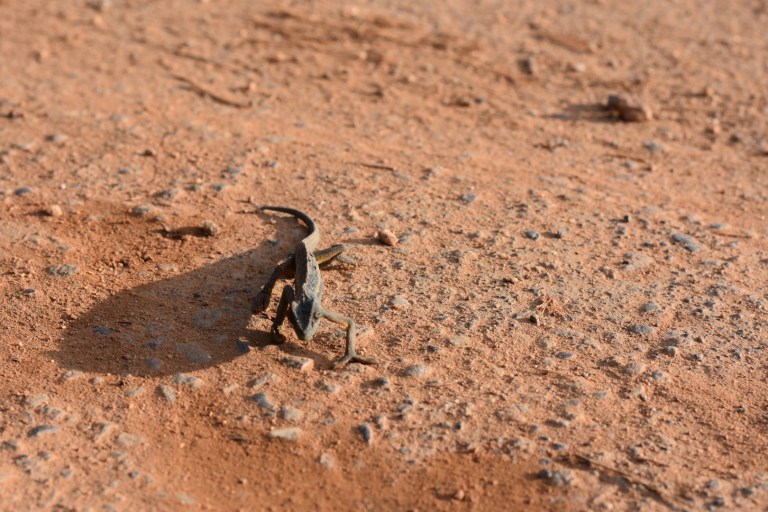

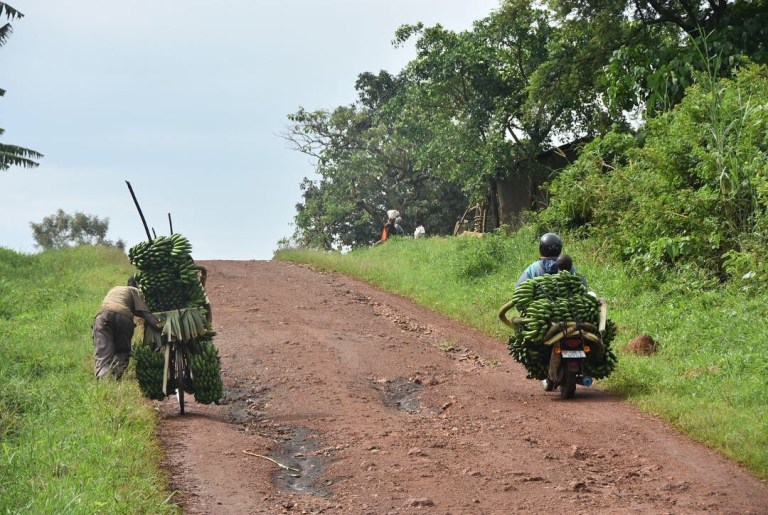

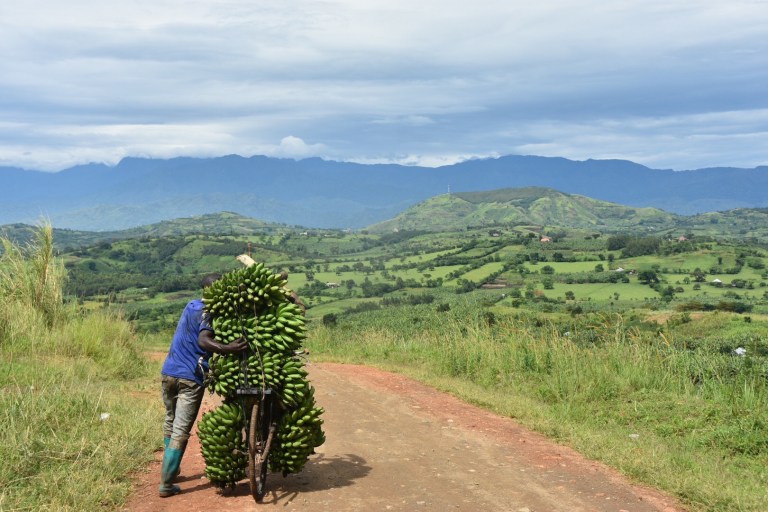

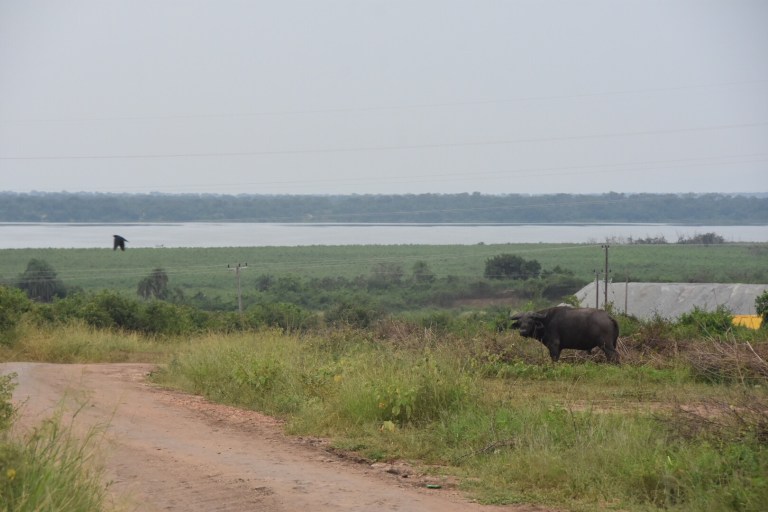


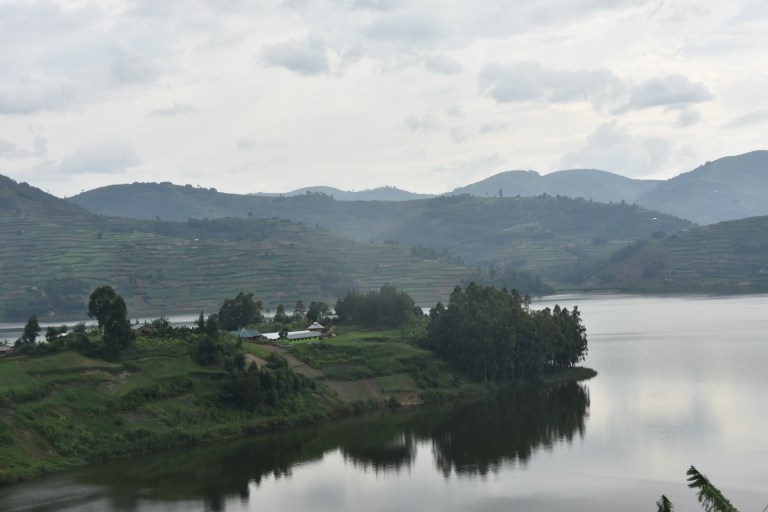


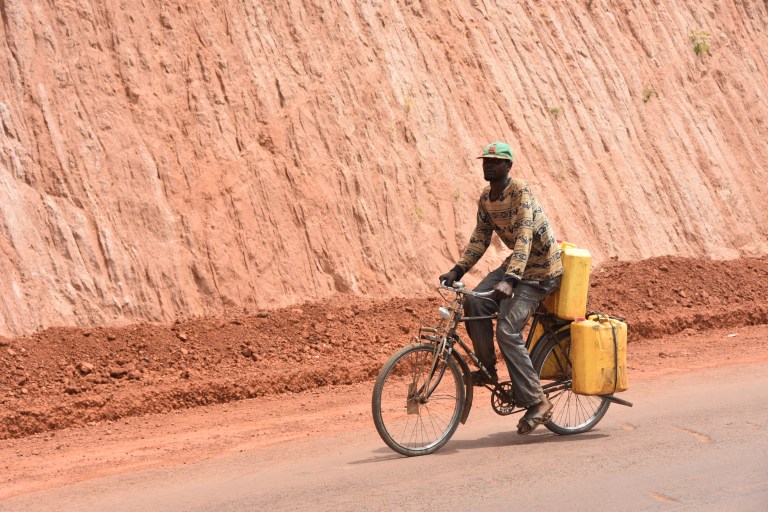


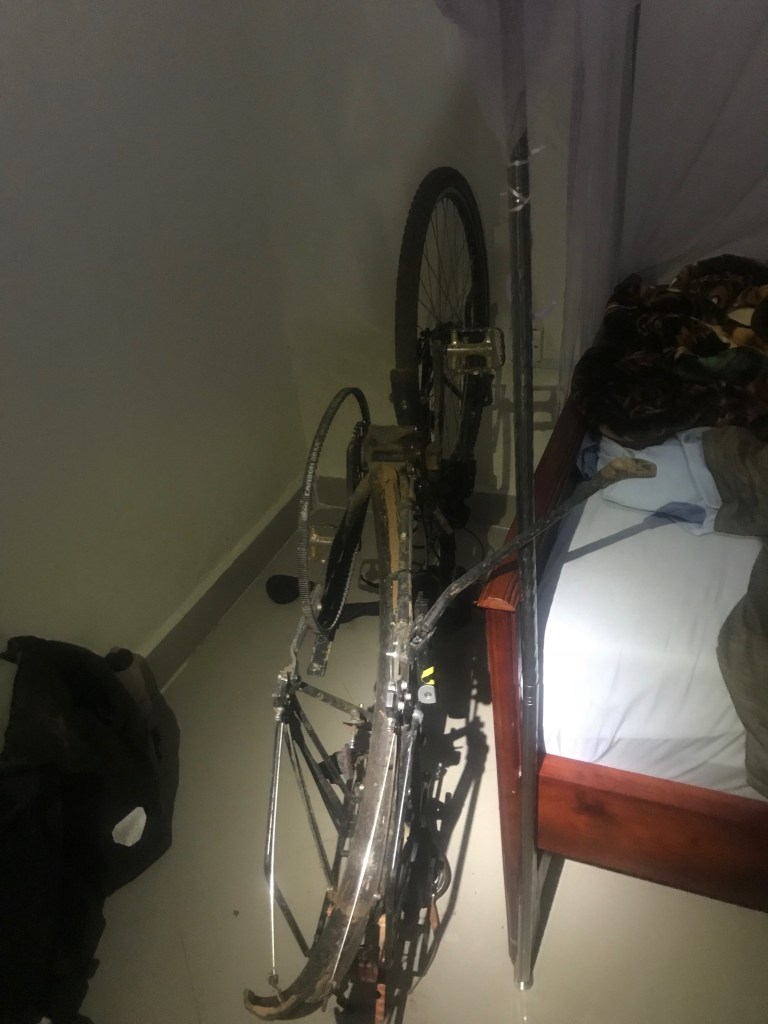

 Lukas Steiner